


-1.svg)
.png)
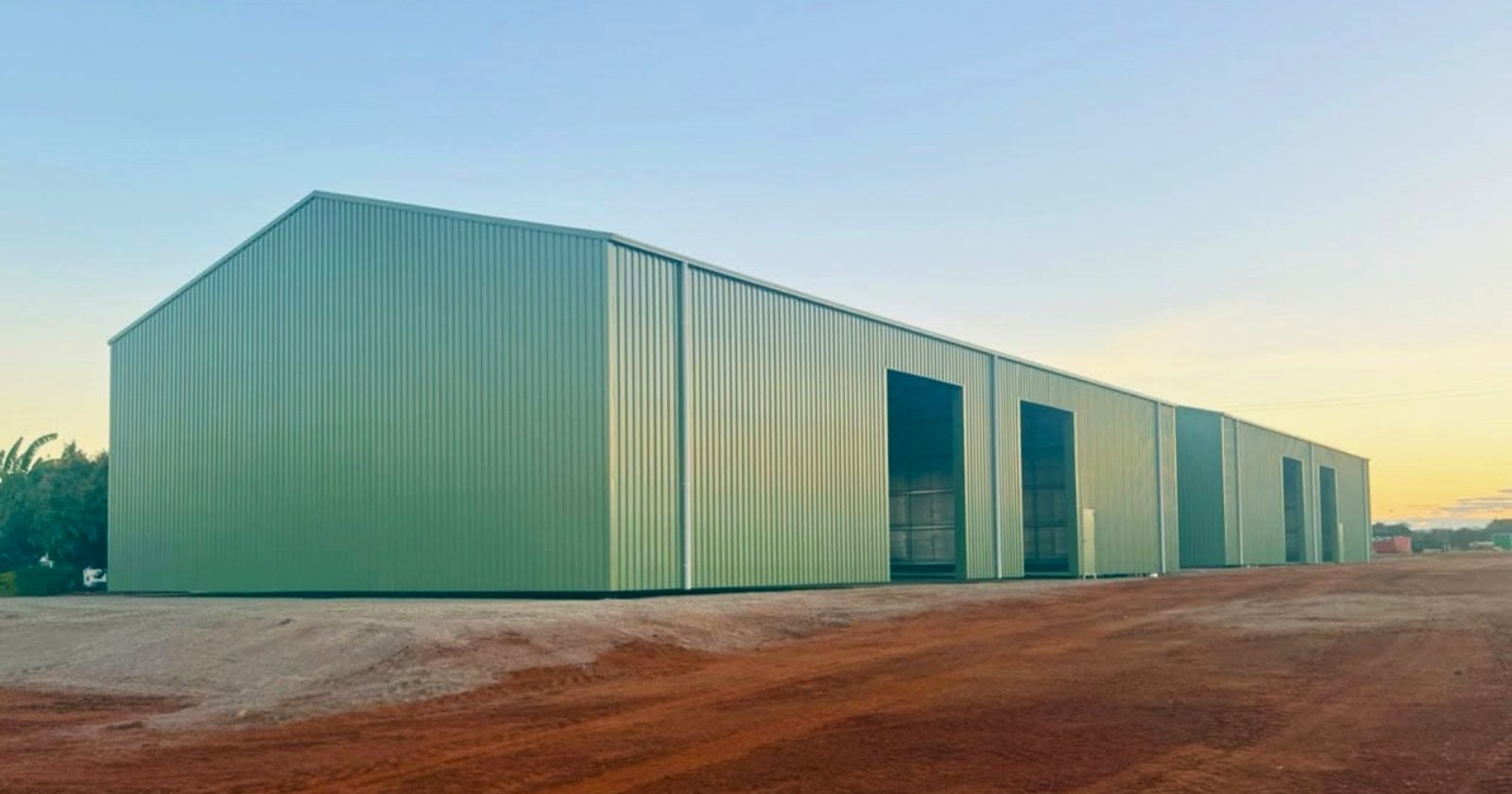
Insulating a shed can help regulate its internal temperature, improve comfort and reduce the risk of condensation affecting stored equipment and materials.
In Australia, where sheds can become extremely hot in summer and cold in winter, the right insulation can make a significant difference, particularly in enclosed sheds, workshops and buildings where people spend extended periods of time.
There are several ways to insulate a shed, including fibreglass insulation, roof blankets, spray foam and structural insulation panels. Each option has different benefits, costs and installation requirements. This guide explains how shed insulation works, when you should consider it and the key options available.
.png?width=1200&height=630&name=ABC%20Sheds%20%20Blog%202%20(1).png)
What do you need to know about shed insulation? (TL;DR)
The best shed insulation depends on how you intend to use the building, your required thermal performance and whether the shed will have an internal lining.
In general:
- Fibreglass insulation can provide strong thermal performance when combined with an internal lining, but installation can be labour-intensive.
- Roof blankets provide insulation, vapour and radiant barriers in one system, but typically have a lower R-value.
- Spray foam fills gaps and creates an air barrier, but there are potential moisture and condensation considerations.
- Structural insulation panels combine external cladding, insulation and internal lining, providing good thermal resistance and structural strength.
- Ventilation is still important, particularly if a shed is left uninsulated, as it helps manage moisture and condensation.
- The right approach depends on whether your shed is being used for storage, machinery, livestock, workshops, offices or other purposes.
Should you insulate a shed?
You should consider insulating your shed if you need to maintain a more comfortable internal temperature, protect stored assets or reduce the effects of condensation.
In Australia, extreme weather conditions can make working in uninsulated sheds very uncomfortable, particularly when multiple people spend extended periods inside a large shed or building.
Temperature fluctuations can also affect stored equipment, materials and other assets. Condensation and dampness may contribute to problems such as rust and mould, while excessive heat can affect heat-sensitive items.
Insulation can help reduce thermal transfer through the building envelope, making the internal environment more stable.
This can be particularly useful for:
- Workshops
- Offices
- Machinery storage
- Fully enclosed farm sheds
- Buildings used by multiple workers
- Storage areas containing temperature-sensitive equipment or materials
The more time people spend inside a shed, and the more sensitive its contents are to temperature and moisture, the more useful insulation is likely to be.
What are the benefits of insulating a shed?
Shed insulation can improve thermal comfort, help regulate internal temperatures and support better conditions for storing equipment and materials.
The main benefits include:
- Improved thermal comfort
Insulation reduces heat transfer through the building, helping the interior stay more comfortable in hot and cold weather. - Better working conditions
For workshops and large buildings where people work for extended periods, controlling internal temperatures can improve comfort and productivity. - Protection for stored assets
Managing heat, moisture and condensation can help reduce the risk of rust, mould and other forms of damage. - More consistent internal temperatures
Insulation helps reduce the impact of external temperature changes. - Improved suitability for enclosed buildings
Fully enclosed sheds generally have less natural airflow, making careful consideration of insulation and ventilation particularly important.
Does an uninsulated shed need ventilation?
Yes. If you choose not to insulate your shed, adequate ventilation is important for managing moisture and reducing the risk of condensation.
Ventilation allows moisture-laden air to escape rather than becoming trapped inside the building.
One option is to incorporate whirlybirds into the shed roof to help improve airflow and ventilation.
However, ventilation and insulation solve different problems. Insulation helps reduce heat transfer, while ventilation helps manage airflow and moisture. For this reason, the appropriate combination will depend on how the shed is designed and what it will be used for.
For a practical overview of what to consider when planning your shed, download Standwell’s Buyer’s Guide.

What types of shed insulation are available?
The main shed insulation options include fibreglass insulation, roof blankets, spray foam and structural insulation panels.
Each approach has different installation requirements, thermal properties and costs.
|
Insulation Type |
Ideal Application |
Pros |
Cons |
|
Lined workshops, office spaces |
High energy efficiency |
High installation labour; requires scaffolding for tall sheds |
|
|
Unlined industrial & farm sheds |
3-in-1 insulation, vapour, and radiant barrier; no internal lining needed |
Low R-value; exposed underlay subject to wear and tear |
|
|
Small garden sheds |
Fills gaps and voids; expands to form air seal |
Expensive; potential air leaks; risk of timber roof decay from trapped dampness |
|
|
Integrated single-step builds |
High thermal resistance; structural strength reduces purlins/girts |
On-site joining risks leaks; metal transmits elevated sound |
Is fibreglass insulation suitable for sheds?
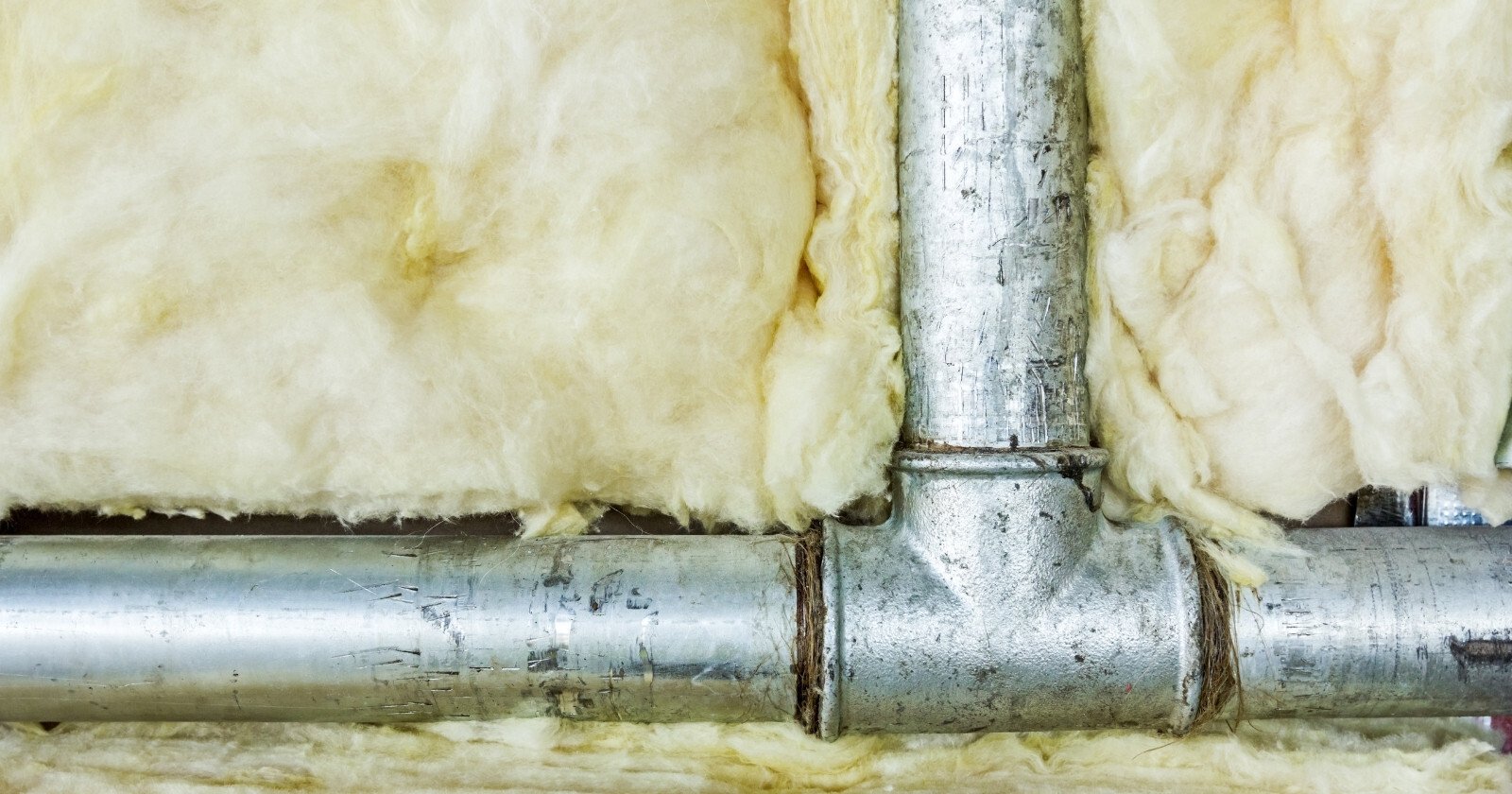
Fibreglass insulation can be a good option for sheds that require an internal lining, such as offices and lined workshops.
With this approach, the cavity between the exterior cladding and internal lining is filled with fibreglass or glass wool insulation, such as Pink Batts. The internal lining is then installed over the insulation.
One of the main advantages is that it can provide a high level of energy efficiency while also creating a finished internal space.
It can be particularly practical when an internal lining is already required. Rather than installing insulation as a separate system, the insulation is incorporated into the wall and ceiling build-up.
The main drawback is installation time.
Fibreglass insulation can require significant labour, particularly in taller sheds where scaffolding may be needed.
If you are considering this approach, discuss the requirements with an appropriately qualified building professional or certifier to determine whether it is suitable for your project.
What is a roof blanket and how does it work?
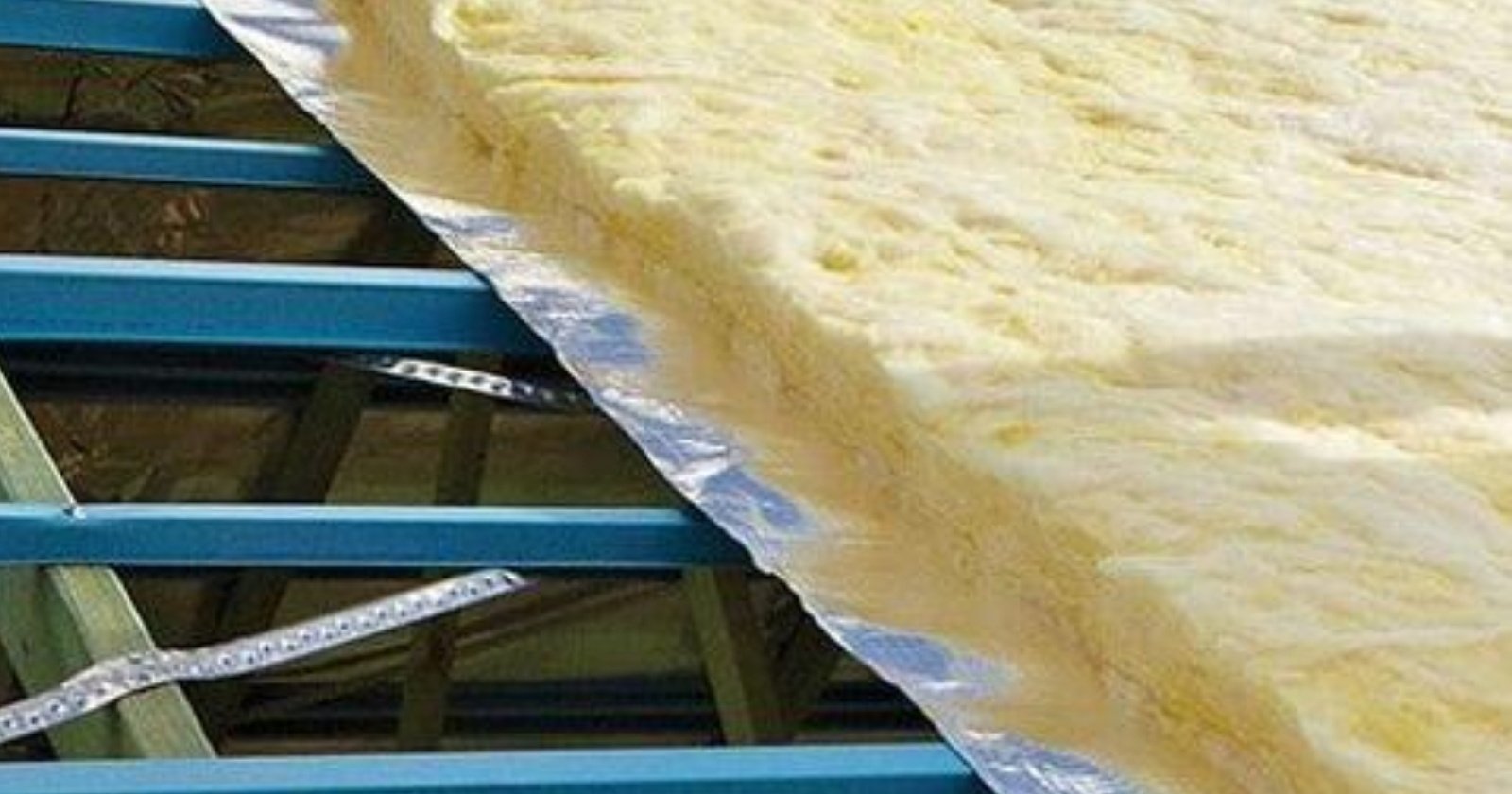
A roof blanket is a thermal insulation material installed between the shed cladding and framing, providing insulation, vapour and radiant barrier functions in one system.
Unlike a fibreglass system, the building does not necessarily need to have an internal lining. This can reduce installation time and labour requirements.
A roof blanket can therefore be a practical option when you want some level of thermal protection without fully lining the building.
There are, however, some trade-offs.
Roof blankets typically have a relatively low R-value compared with some other insulation options.
Because the material remains exposed on the underside of the roof when there is no internal lining, it can also be more susceptible to damage from everyday wear and tear.
The original guide estimated roof blanket costs at approximately $20–$30 per m², or around four to six times the cost of Sisalation. Actual costs will vary depending on the building, materials and installation requirements.
Is spray foam suitable for a shed?
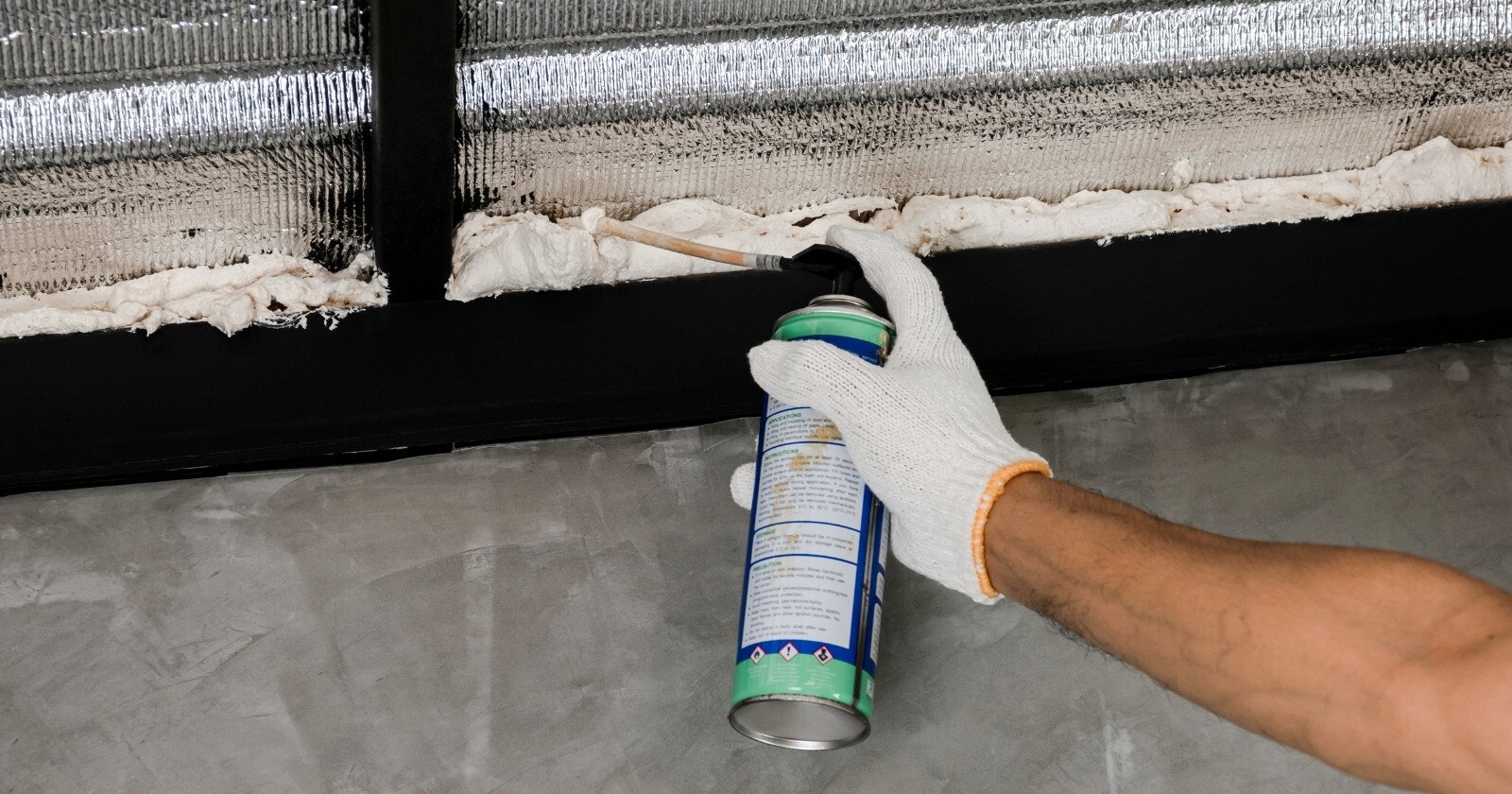
Spray foam can fill gaps and cavities effectively, but it is not generally the preferred approach for large farm and structural steel sheds.
Spray foam is applied to wall and roof cavities, where it expands to fill gaps and create an air barrier. It is commonly used in some markets, including the United States and Europe.
However, there are several considerations for shed applications.
Spray foam can:
- Be more expensive than other insulation options
- Create an air barrier
- Require careful consideration of moisture movement
- Have potential chemical and installation considerations
- Increase the risk of moisture being trapped where the system is not appropriately designed
Moisture management is particularly important when using spray foam around roofs and building structures.
For these reasons, spray foam is generally more suited to smaller applications, such as some garden sheds, rather than large agricultural buildings. The appropriate solution should always be assessed based on the building's construction and intended use.
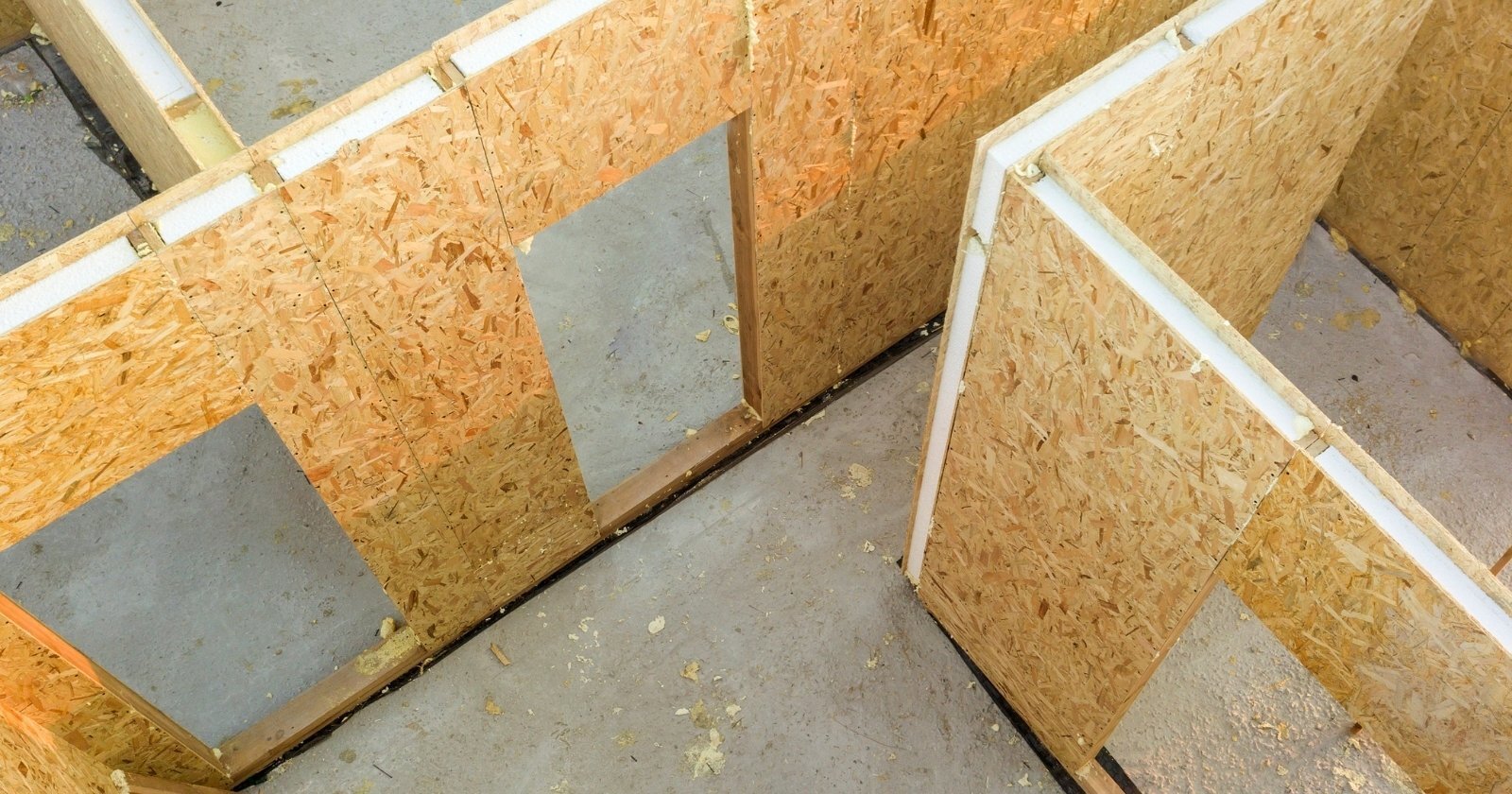
What are structural insulation panels?
Structural insulation panels combine steel cladding and insulation into a single building panel, providing thermal resistance while reducing the number of separate building components.
These panels typically consist of two sheets of steel cladding with polystyrene insulation between them.
One of the key advantages is that the external cladding, insulation and internal lining can be incorporated into one system. This can reduce the cost and labour associated with installing separate layers.
Structural insulation panels can also provide excellent thermal resistance and are relatively strong. Depending on the design, their strength can reduce the number of purlins and girts required.
There are some disadvantages to consider.
Panels may need to be joined on site, which can increase installation work and create additional opportunities for leaks if connections are not properly installed.
The metal construction can also transmit sound easily, meaning the building may be noisier than expected.
What types of farm sheds can be insulated?
Farm shed insulation can be incorporated into buildings designed for a wide range of agricultural uses, depending on the building's requirements.
Farm sheds can be designed for applications including:
- Shearing sheds
- Farm machinery storage
- Livestock shelters
- Grain storage
- Hay storage
- Indoor horse arenas
- Workshops
- Other agricultural storage and working areas
The appropriate insulation approach will depend on the purpose of the building, whether it will be fully enclosed and whether people, animals, machinery or temperature-sensitive materials will spend significant time inside.
The right insulation starts with the right shed design
The right insulation system can make a shed more comfortable, better suited to its purpose and more protective of the equipment, materials or people inside it.
But insulation is only one part of the equation. An uninsulated shed may require additional ventilation, while an insulated building needs to be designed with moisture movement and airflow in mind.
Before choosing an insulation system, consider how the shed will be used, how enclosed it will be, what will be stored inside and what level of thermal performance you need.
If you're planning a new farm shed, Standwell can help you explore the different configurations available, including roof and wall insulation, cladding, bay sizes and other design requirements.
Use the online shed builder to explore your options and start planning a shed designed around your requirements.

Frequently asked questions about shed insulation
.svg)