


-1.svg)
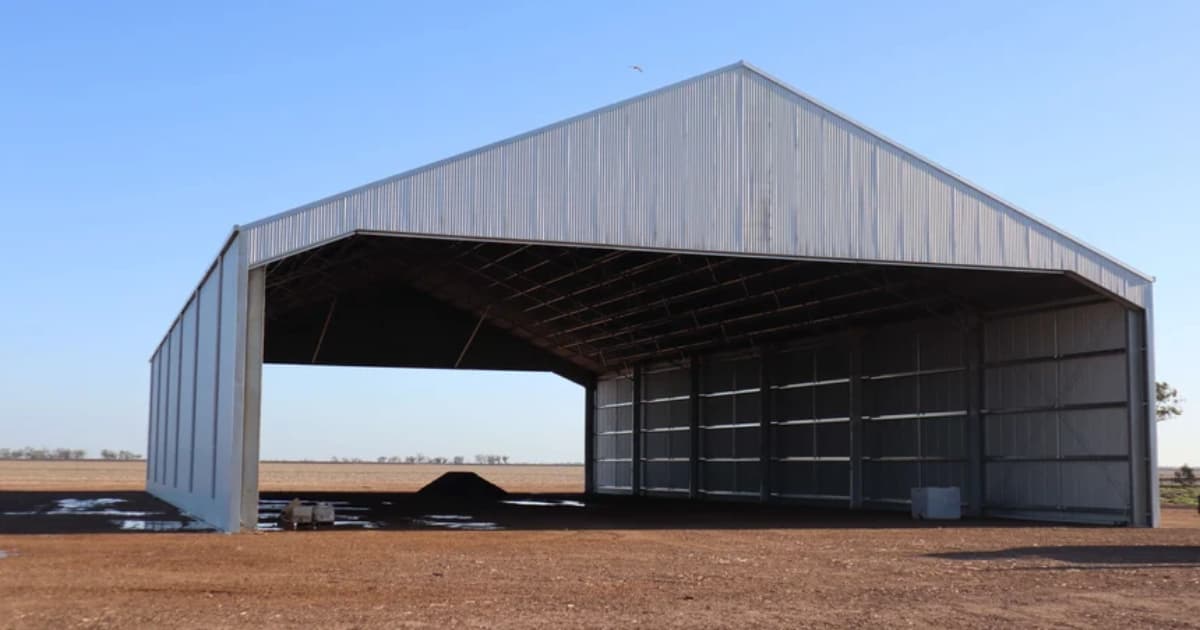
A standard farm shed can take around 6 – 8 weeks for fabrication and at least one week for installation, while larger or more complex projects can take 12 weeks or more.
The total timeline depends on several factors, including the shed’s size and design, council approvals, site preparation, material availability, weather and labour availability.
If you're planning a new farm shed, understanding these timeframes early can help you plan your budget, site preparation and farming operations around the build.
How long does a farm shed take to build? (TL;DR)
A typical farm shed can take up to 8 weeks to be built, while larger or more complex sheds can take 12 weeks or more.
This timeline can be affected by:
- Design and planning: Allow around 5-15 business days if you don't already have a design in mind.
- Council approvals: Requirements vary depending on your location, the shed's purpose and its specifications.
- Fabrication: Manufacturing the shed's steel components, doors, windows and other elements can take around 6-8 weeks.
- Construction and installation: Installation can take as little as one week, depending on the size and complexity of the shed.
- Weather, materials and labour: Delays can occur if adverse weather affects the site or if materials or skilled labour aren't available when required.
%20(1).jpg?width=1200&height=800&name=blog%20image%20(1)%20(1).jpg)
What is a farm shed?
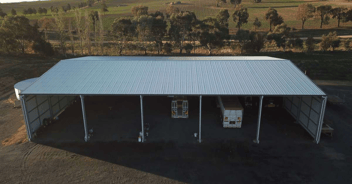
A farm shed is a versatile agricultural building designed for purposes such as machinery storage, livestock shelter, produce storage and workshop space.
Farm sheds are available in a range of sizes and configurations and can be tailored to suit the requirements of the farm and the farmer.
The right design will depend on how you intend to use the building. For example, a shed used primarily to store machinery may require large access doors and additional clearance, while a livestock shed may need ventilation and other features to support animal welfare.
Explore Standwell's range of farm sheds.
How much does it cost to build a farm shed?
Most farm shed projects range between AU$50,000 and AU$150,000+, with the final cost shaped by span, height, cladding, and extras such as doors, skylights, and wind rating.
Roof-only farm sheds, including hay sheds, machinery sheds, and yard covers, cost from AU$150 per square metre. Fully enclosed sheds cost from AU$250 per square metre.
Site conditions can also influence pricing, so our team will provide an accurate quote based on your location and layout.
For a more detailed breakdown, read our guide to farm shed prices explained.

What is involved in building a farm shed?
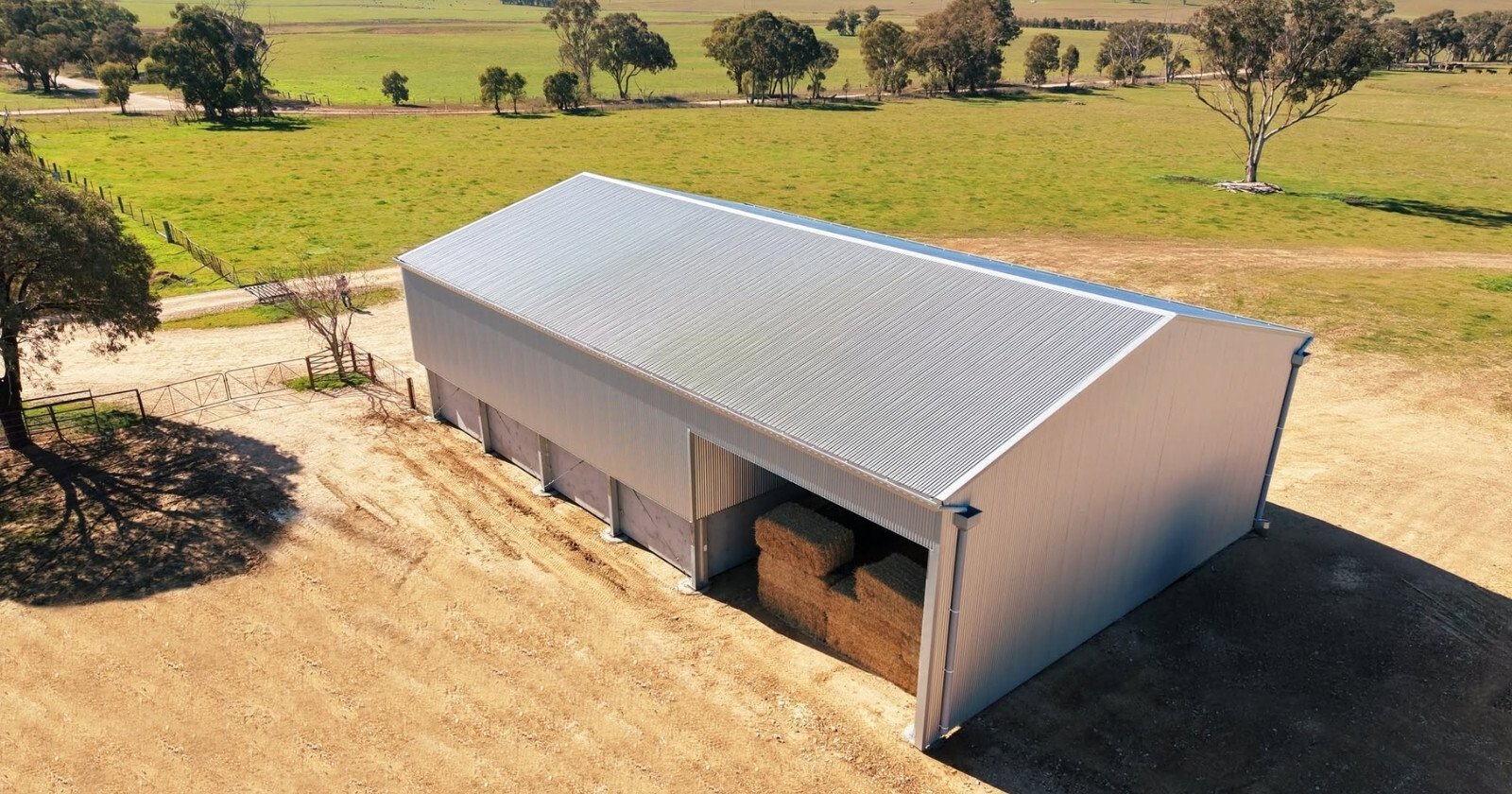
Building a farm shed involves planning and design, approvals, fabrication, construction and the installation of the shed's finishing features.
While every project is different, the process generally involves four key stages.
1. Planning and design
The first step is determining what the shed needs to do and designing it around those requirements.
This includes considering:
- The shed's purpose
- Overall dimensions
- Access requirements
- Door and window placement
- Storage requirements
- Ventilation
- Insulation
- Other custom features
Read more about what to know when building a farm shed.
2. Council approval
Whether your farm shed requires council approval depends on where you live, as well as the building's purpose and specifications.
Some farm buildings may be exempt from approval, while others will require the appropriate permits and certification.
Standwell can provide the engineering and certification required for your application. Depending on the project, it may also be beneficial to engage a private certifier to lodge the application.
Read more about whether farm sheds need council approval.
3. Shed fabrication
Farm shed fabrication involves sourcing materials and manufacturing the components to match the approved design.
Steel components are manufactured to the required specifications, while elements such as doors and windows are cut and prepared for the individual shed.
Fabrication can take approximately 6-8 weeks, depending on the project and availability of materials.
4. Construction and finishing
Once the components are ready and the site is prepared, installation can take as little as one week.
The construction process involves assembling the structural frame, installing the roof and walls, and adding the required doors, windows and other features.
More complex or larger sheds can take longer to install.
Finishing features may include:
- Doors and windows
- Insulation
- Ventilation
- Internal storage
- Mezzanine floors
- Other custom features
How long does each stage of building a farm shed take?
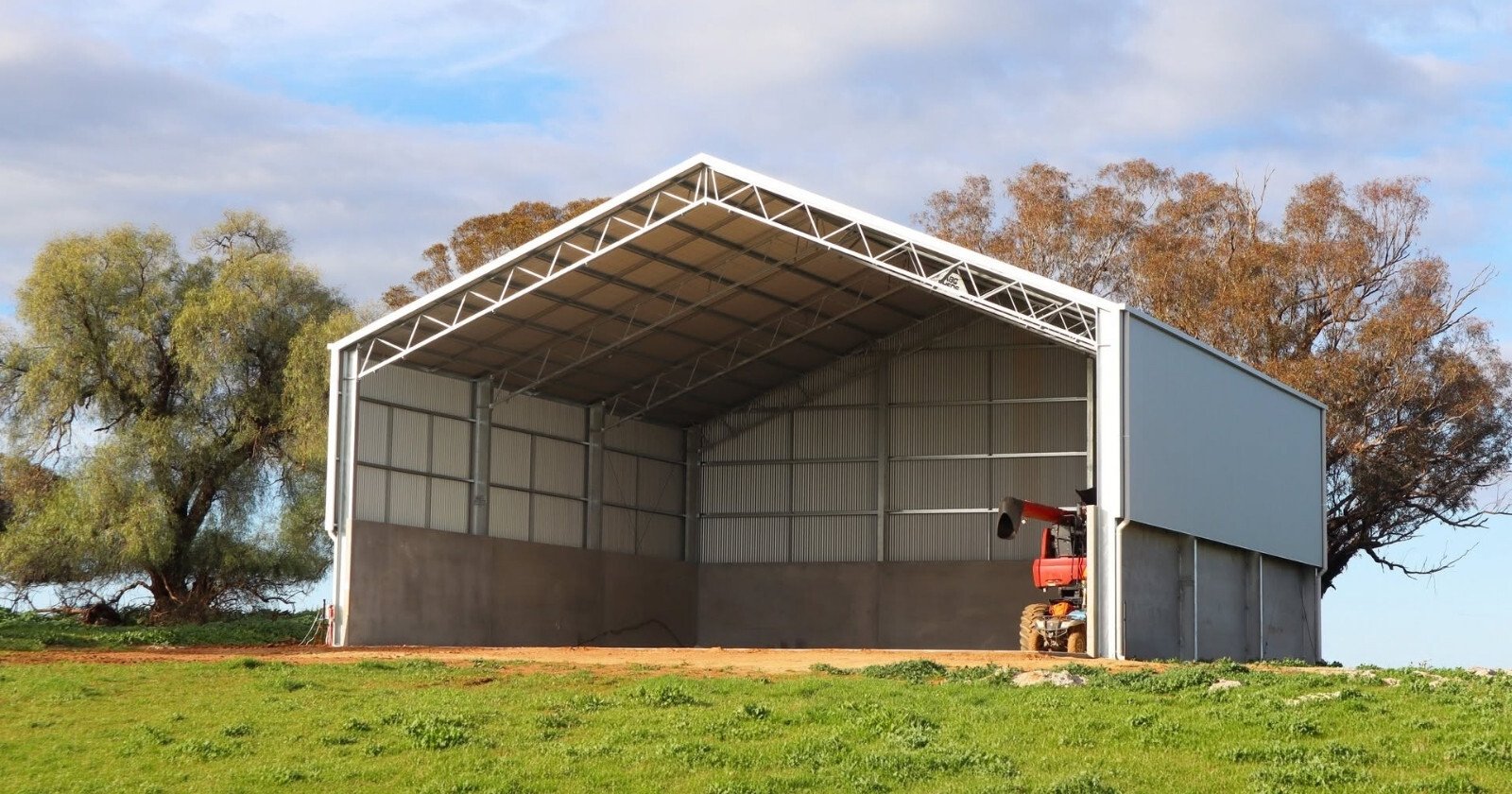
The time required for each stage varies, but you should generally allow 5-15 business days for initial design, around 6-8 weeks for fabrication and at least one week for installation.
|
Stage |
Indicative timeframe |
|
Design and planning |
Around 5–15 business days |
|
Council approval |
Varies by project and location |
|
Shed fabrication |
Around 6–8 weeks |
|
Shed installation |
Around 1 week |
|
Larger or more complex projects |
12 weeks or more overall |
These are indicative timeframes rather than guaranteed construction dates. The actual schedule will depend on your project's specifications, site and external factors.
What factors can delay a farm shed build?
The biggest factors that can affect a farm shed timeline are:
- Design complexity
- Approvals
- Weather
- Material availability
- Site readiness
- Labour availability.
Shed size and design complexity
A straightforward farm shed will generally be simpler and faster to manufacture and install than a large, highly customised building.
Additional doors, windows, internal structures, mezzanine floors, insulation and other features can add to the complexity of the project.
Council approvals
Approval requirements vary between locations. If approval is required, the time involved will depend on the requirements of the relevant authority and the complexity of your application.
Planning for approvals early can help prevent unnecessary delays later in the project.
Weather conditions
Wet or adverse weather can delay site preparation and construction, particularly when ground conditions make the site difficult to access or work on.
This is particularly important for rural properties where access to the building site can be affected by heavy rain.
Material availability
The availability of steel, doors, windows and other components can influence the fabrication timeline.
Material shortages or delays can affect when your shed is ready to be delivered and installed.
Labour availability
The availability of the required workforce can also affect your construction schedule, particularly during busy periods.
How can you get started with your farm shed?
The best way to keep your farm shed project on track is to plan your requirements early and work through design, approvals, fabrication and construction in the right order.
A farm shed can provide valuable storage, workspace or shelter, but delays can quickly become frustrating when the building isn't ready when you need it. Understanding the likely timeline upfront gives you a clearer idea of when to begin planning and what factors could affect the finished project.
If you're ready to explore your options, Standwell offers custom farm shed designs to suit different agricultural requirements.
Start by exploring Standwell's farm shed range, or use the online Shed Builder to start designing your shed.
You can also download the Farm Sheds brochure to explore the available options and features.
Frequently asked questions about farm shed construction timeline
.jpg?width=352&name=Blog%201%20image%20%20(1).jpg)
.jpg?width=352&name=Standwell%20-%20Blog%20images%20(2).jpg)
.svg)