


-1.svg)
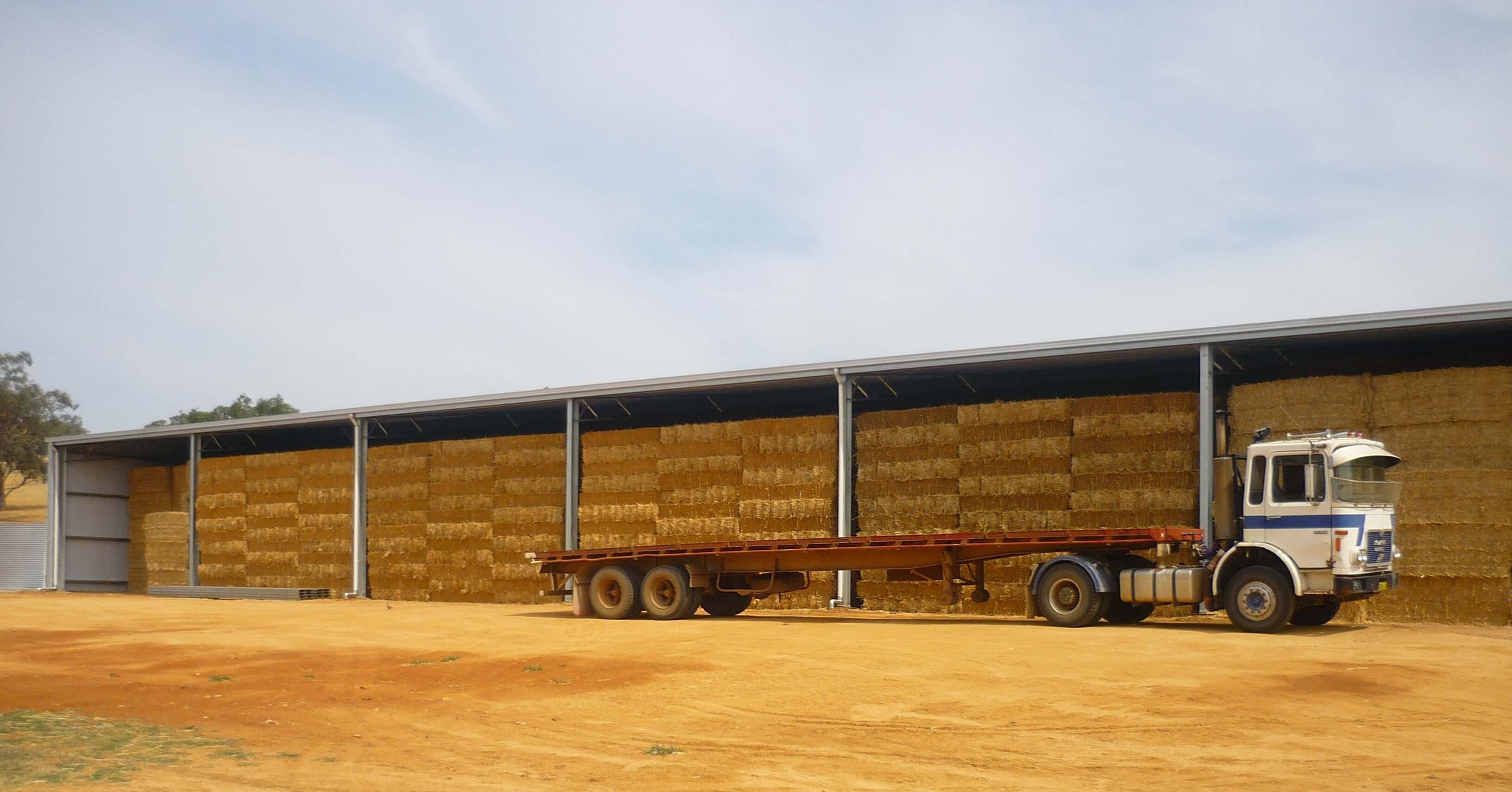
Hay storage can quietly affect farm costs long after harvest. The issue is not only whether the bales are under cover, but whether the storage setup protects the feed, keeps it accessible, and continues to work as production or equipment requirements change.
This article explains the five main ways a purpose-built hay shed can reduce avoidable costs, followed by the design choices that help it remain useful over the long term.
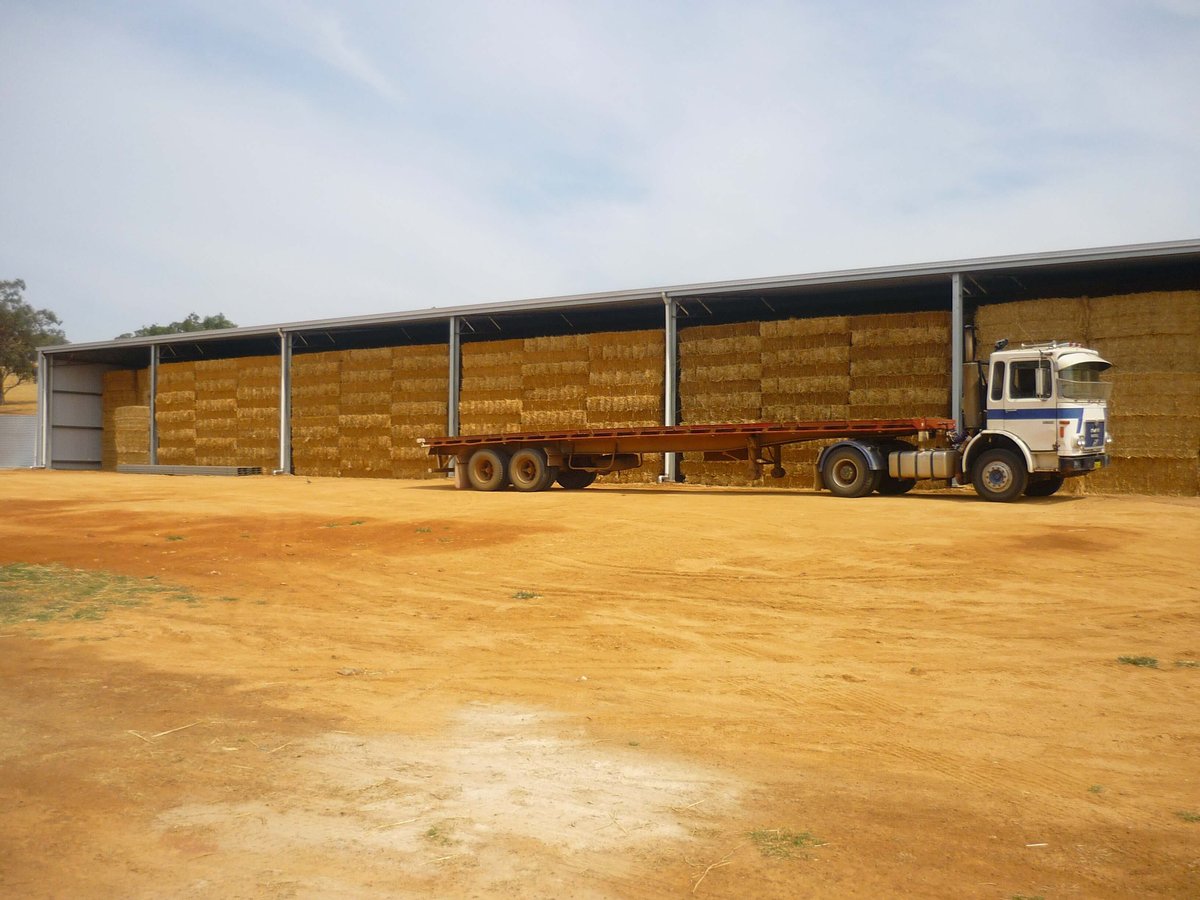
The Financial Benefits of a Hay Shed (TL;DR)
A hay shed can save money by:
- Reducing spoiled hay and lost feed
- Avoiding off-site storage fees
- Cutting repeated freight and transport costs
- Providing flexible space for machinery and other farm supplies
- Protecting hay stored for future sale
- Allowing more capacity to be added as the farm grows.
How does a hay shed save you money?
A hay shed saves money by replacing recurring losses and off-site expenses with a protected storage asset on your own property.
The savings do not come from one factor alone. They build over time as less hay is damaged, fewer loads need to be transported elsewhere, and the available space is reused for different farm requirements.
A well-designed hay shed can also continue supporting the operation as storage volumes increase, reducing the chance that the farm will quickly outgrow the original structure.
Is a hay shed likely to provide value for your farm?
A hay shed is most likely to provide value when poor storage, repeated transport, leased space, or changing storage requirements are already adding costs to the operation.
|
Your current situation |
Where costs can build up |
How a hay shed can help |
|
Hay is exposed to rain, ground moisture, or excessive heat |
Damaged bales may become unusable or lose feed quality |
Provides protected on-farm storage |
| Hay is kept at another property or storage facility | Freight, trucking, and rental costs may continue each season | Keeps storage available on your own farm |
| Storage requirements change during the year | Separate sheds may be needed for hay, machinery, grain, or equipment | Allows available bays to be used for different purposes |
| Hay is being held for future sale | Poor storage can reduce its condition and potential value | Helps keep stored hay dry and protected |
| Hay production or machinery storage is increasing | The existing storage area may run out of capacity | Extra bays or an awning can be planned into the structure |
1. Reduce spoiled and wasted hay
A hay shed reduces unnecessary feed losses by protecting bales from poor weather and excess moisture. Hay left in unsuitable conditions can deteriorate, leaving less usable feed available and increasing replacement costs.
This is especially important when stored hay is needed during drier periods. If pasture becomes limited, the condition of the stored supply directly affects how much feed is available for livestock.
As explained by The Horse, storing hay in a shed helps protect it from weather damage. However, a roof alone is not enough. The bales must also be stored in a way that limits moisture and allows suitable airflow.
Good storage helps preserve:
- The physical condition of the bales
- The nutritional quality of the feed
- The money already spent producing or purchasing the hay
- The stored supply available when livestock need it.
For more detailed storage guidance, read the best way to store hay.
2. Avoid off-site storage and transport costs
Keeping hay on your own property can remove the repeated expense of transporting it to another farm or rented storage facility.
Off-site storage may involve more than the rental fee. Hay and equipment must also be loaded, transported, unloaded, and retrieved when required. Those costs can continue for as long as the farm depends on storage elsewhere.
An on-site hay shed keeps the bales closer to where they will be used. It also gives the farm access to the storage space throughout the year rather than for a limited rental period.
Although building a shed requires an initial investment, it creates a long-term farm asset instead of an ongoing off-site expense.
3. Use one shed for several farm requirements
A hay shed can reduce the need for separate storage buildings by supporting different uses throughout the year.
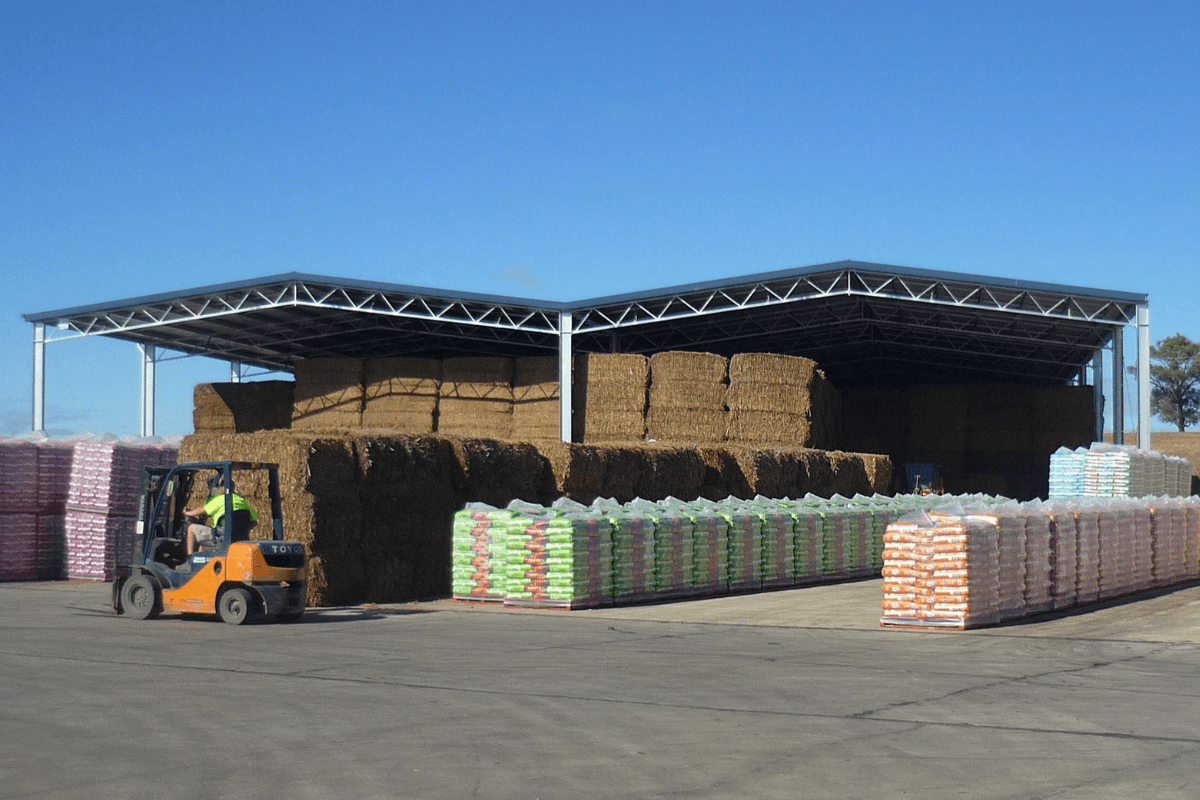
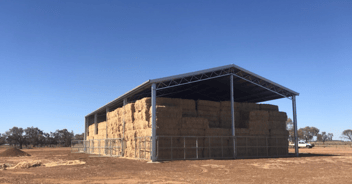
During harvest, the shed may be filled with hay. As that supply is used or sold, empty bays can become available for grain crops, machinery, farm equipment, or temporary animal shelter during poor weather.
Hay sheds are generally not fully enclosed, which can make them more flexible than some enclosed farm sheds.
This allows the same structure to adapt to seasonal changes rather than remaining empty when less hay is being stored. The farm gets more value from the available space without needing a dedicated building for every storage requirement.
4. Protect the value of hay held for sale
A hay shed helps preserve the condition of hay between harvest and sale. Dry, properly stored hay has a better chance of retaining the quality buyers expect.
Weather-damaged or moisture-affected bales may deteriorate while they are being held. This can make them less attractive to buyers and reduce the value already contained in the crop.
A shed will not increase the market price of hay by itself. Its role is to protect the work and money already invested in producing the crop until a buyer is found.
This makes suitable storage particularly important when hay will remain on the property for an extended period before being sold.
5. Expand your storage as the farm grows
A hay shed can support future growth when additional bays or an awning are allowed for in the original design.
Storage needs may change as hay production increases, more machinery requires shelter, or the wider farming operation expands. Planning for those changes early can be more practical than designing only for the farm’s current capacity.
Before settling on the size and layout, consider:
- The amount of hay stored during the busiest harvest period
- The dimensions and stacking arrangement of the bales
- Machinery or equipment that may also need shelter
- The access needed for loading and unloading
- Whether additional bays may be required later
- Where an awning or extension could be added.
Standwell offers flexible bay sizes for its hay sheds, allowing the structure to be planned around bale sizes, access requirements, and future storage needs.
What makes a hay shed cost-effective over time?
A cost-effective hay shed protects the stored hay, makes loading and access practical, and remains useful as the farm’s requirements change.
The long-term value of the building depends on more than its overall dimensions. Weather protection, airflow, structural materials, and bay configuration all affect how well the shed performs.
Protection from the elements
The shed should protect hay from ground moisture, rain, and excessive heat from the sun.
Keeping the bales dry helps preserve the quality and nutrition required when the hay is fed to horses or other livestock.
Incorrect storage can allow moisture to collect around the hay or the shed structure. This may contribute to mould in the bales and corrosion in an unsuitable building.
Suitable air circulation
Air needs to move through the storage area so moisture does not become trapped around the hay.
Standwell custom-designs its hay sheds with air circulation and moisture management in mind. The layout should provide weather protection without preventing suitable airflow around the stored bales.
Galvanised structural steel
Standwell uses galvanised building materials to strengthen and protect its hay shed structures.
The shed itself must be able to withstand the conditions it is protecting the hay from. Durable structural materials can help maintain the building’s usefulness over the longer term.
Bay sizes matched to the operation
The bay configuration should suit the bales being stored and the equipment used to move them.
Standwell offers bay sizes ranging from 6 metres to 16 metres. A typical 8-metre bay can fit three 8-foot bales side by side.
Bays may also be moved or extended to accommodate different bale sizes and additional storage requirements.
How the savings can work in practice
The financial value of a hay shed will look different from one farm to another. These examples show how the same structure can solve different storage problems.
A farm that relies on stored feed during dry periods
Protecting hay from moisture and weather damage helps keep more of the stored supply available when pasture becomes limited.
The savings come from reducing the amount of damaged feed that must be discarded or replaced.
A farm currently renting storage elsewhere
Building on-site storage can remove the need to pay for leased space year after year.
It can also reduce the cost and inconvenience of transporting hay between the farm and another property.
A farm with seasonal storage requirements
A hay shed can be filled during harvest and then used for machinery, grain, or other supplies as the hay is used or sold.
This allows the building to remain useful across different parts of the farming year.
A farm preparing for increased production
A shed planned with future bays or an awning can accommodate more storage without immediately requiring a separate building.
This gives the operation room to grow while continuing to use the original structure.
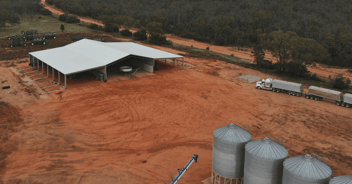
Matt Barton and Andrew King from Garangula Estate and Romani Pastoral Company discuss the impact of their Standwell hay shed in this customer video.
Plan a hay shed around your farm
The financial value of a hay shed comes from how well it fits the operation. Capacity, bale size, vehicle access, airflow, seasonal uses, and future growth should all be considered before the structure is finalised.
Standwell designs custom hay sheds around each farm’s storage capacity, access requirements, bale sizes, and longer-term plans.
Use the virtual shed builder to start planning your structure, or contact the Standwell team to discuss a hay shed for your property.
FREQUENTLY ASKED QUESTIONS
.svg)