


-1.svg)
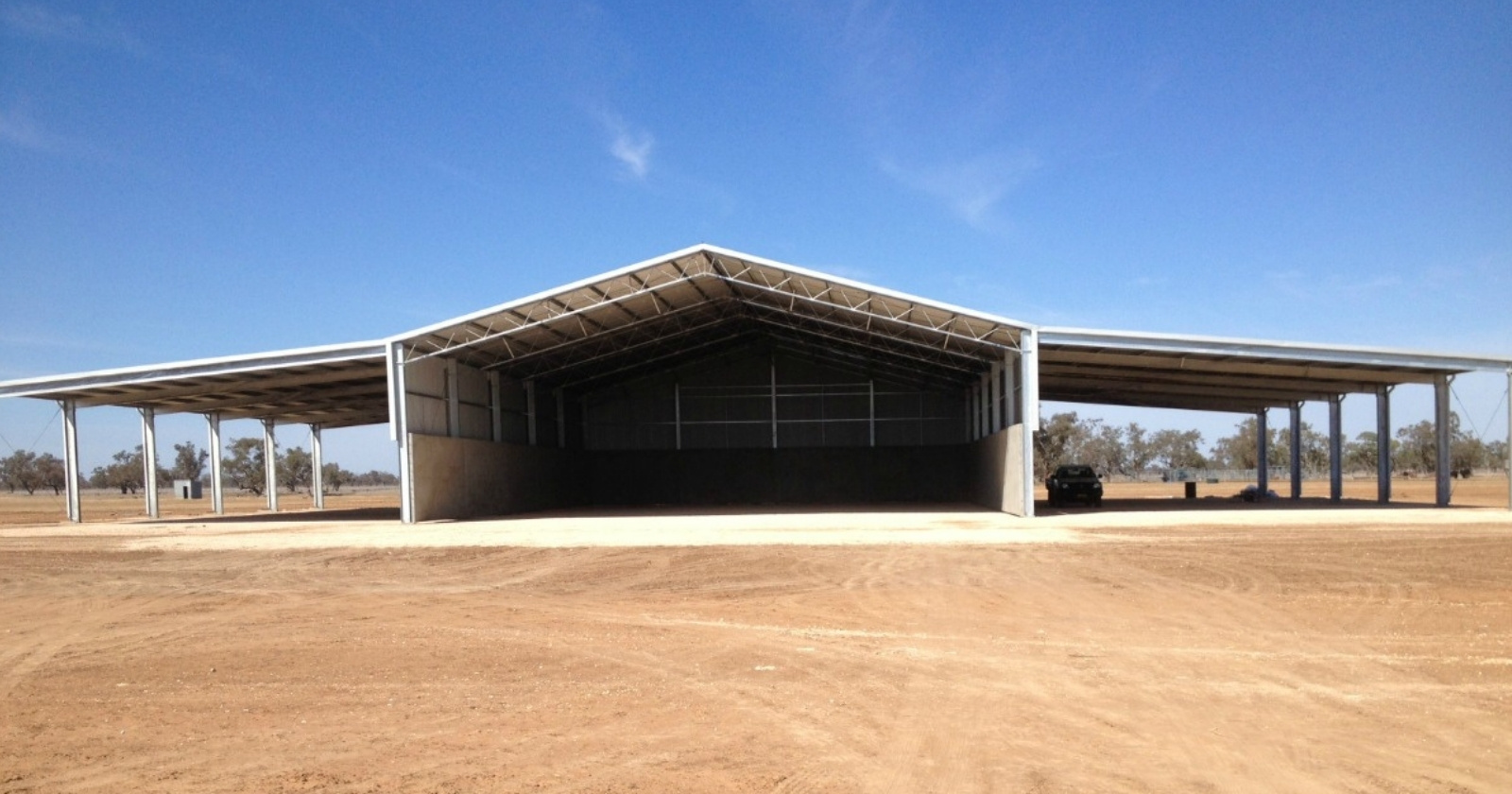
Grain markets are unpredictable. Input costs remain volatile, and prices can swing significantly from one season to the next. That uncertainty puts pressure on one key decision: when to sell.
The pressure is real. Even when prices are strong, margins can quickly tighten when costs rise or markets shift unexpectedly. Fertiliser, fuel, chemicals, and labour all add up, and the margins that used to feel comfortable are getting thinner. For many grain growers, the difference between a profitable season and a difficult one now comes down to timing, and not just when you plant, but when you sell.
Most farmers know that harvest time is rarely the best time to sell grain. But without adequate grain storage on-farm, you don't have much of a choice. The header's still running, the trucks are lined up, and the receival centres want your crop. You sell at whatever price the market is offering that week, and that's a position a lot of growers find themselves in season after season.
Why On-Farm Grain Storage Matters (TL;DR)
- Harvest pricing: Grain prices often soften at harvest when supply peaks, then may recover later as supply tightens.
- Selling flexibility: On-farm storage gives growers more control over when to sell, rather than being forced to sell into harvest pressure.
- Harvest logistics: A grain shed can help trucks unload quickly on the property and return to the paddock faster.
- Negotiating power: Storage can give growers time to compare buyers, respond to price spikes and split tonnage across different selling opportunities
- Risk and planning: Holding grain still carries storage costs and market risk, so the numbers need to be worked through for each operation.
Why grain prices often drop at harvest (and recover later)
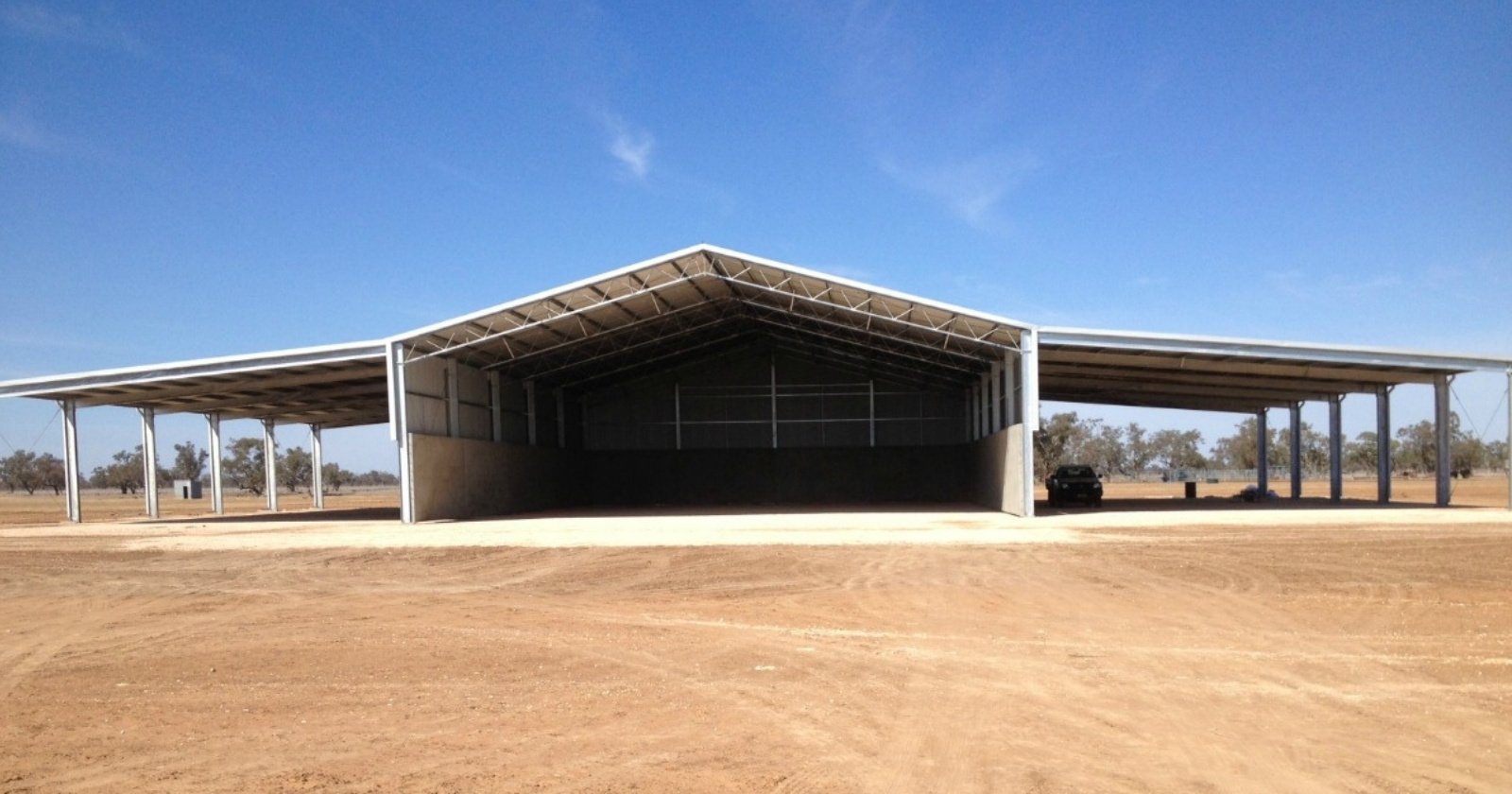
Grain markets follow fairly predictable seasonal patterns. Prices tend to soften around harvest, when supply peaks and every grower in the region is offloading at once. Then, as the months roll on and supply tightens, prices often recover, sometimes significantly.
While the exact price movement each season is hard to predict, the pattern of harvest pressure followed by post-harvest opportunity is well understood.
Grain traders have known this for decades, so the question is whether you're positioned to take advantage of it, or whether you're forced to sell into the harvest glut regardless. For growers without on-farm storage, the answer is almost always the latter.
Ready to take control of your harvest timing? Find out exactly how much storage you need with our Commodity Calculator.

What holding grain costs (and earns)
There's a common assumption that holding grain is expensive. And yes, real costs are involved: storage maintenance, aeration, pest management, and the opportunity cost of capital tied up in unsold stock. But these need to be weighed against the potential upside.
|
Area |
Without adequate on-farm storage |
With grain shed storage |
|
Selling timing |
Growers may need to sell when harvest supply is high and prices are under pressure. |
Growers can hold grain and choose a more suitable selling window. |
|
Harvest logistics |
Trucks can be tied up at receival sites when everyone is unloading at once. |
Trucks can unload quickly on-farm and return to the paddock faster. |
|
Negotiating position |
Options are limited by logistics, cash flow and immediate storage pressure. |
Growers can compare buyers, negotiate terms and respond to price opportunities. |
|
Marketing strategy |
The crop may need to move quickly, leaving less room for staged selling. |
Growers can sell some grain for cash flow and hold the rest for later opportunities. |
|
Long-term value |
Storage limitations can restrict future flexibility and resilience. |
A grain shed can support operational resilience, property value and long-term harvest planning. |
Why some growers choose to wait
Historical data consistently show that post-harvest price rallies can range from modest to substantial, depending on the commodity, season, and global conditions. Wheat, barley, and canola can all move meaningfully in the months after harvest. Even a moderate improvement in the grain price you receive can translate to tens of thousands of dollars across a reasonable tonnage, and the math looks very different when you have the infrastructure to wait.
Faster harvest logistics and less time at receival sites
There can also be operational advantages during harvest itself. Many growers know the frustration of waiting hours at receival silos while everyone in the district is trying to unload at once. Having on-farm grain storage allows trucks to unload quickly back at the property and get straight back to the paddock, helping keep harvest moving when timing matters most.
Of course, prices don’t always rebound. Holding grain carries market risk as well as cost, which makes having flexibility and a clear selling strategy just as important as having storage itself.
Storage as a negotiating tool
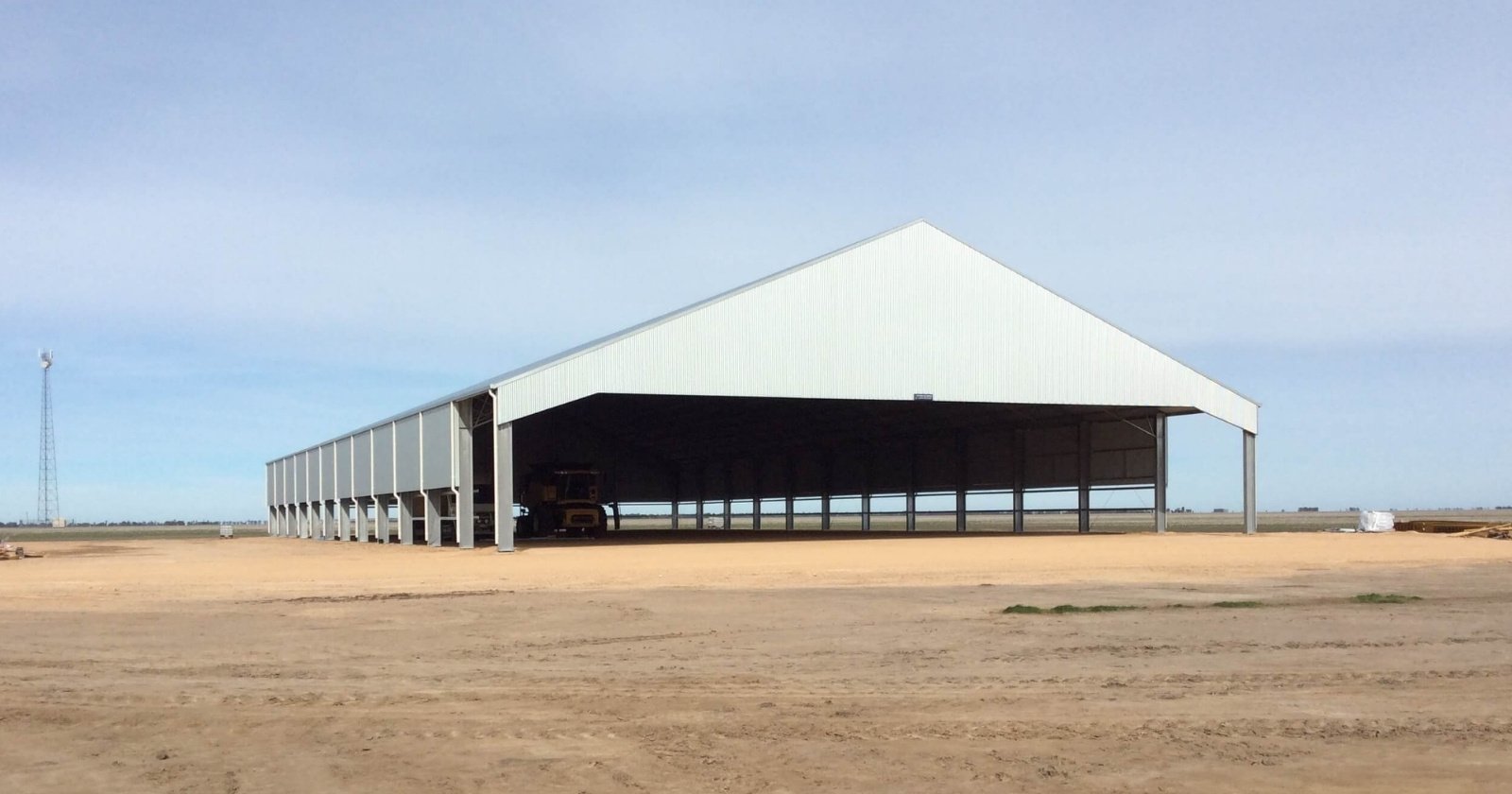
There's another dimension to on-farm grain storage that often gets overlooked: bargaining power.
When you're not under pressure to move grain immediately, you can negotiate from a position of strength. You can approach multiple buyers, compare offers, and hold out for better terms. You can respond to a grain price spike rather than being locked into harvest contracts by necessity. You can split your tonnage across different markets or align your sales with forward contract opportunities as they arise.
Without storage, your options are limited by logistics and cash flow. With a grain shed, you're playing a different game. Storage doesn’t just delay a sale, it gives you control over how and when you sell.
Many growers use their on-farm storage as a buffer, selling a portion of their crop at harvest to cover immediate costs while holding the rest to benefit from seasonal price movements. It's a practical middle ground that provides cash flow stability without giving up the opportunity to do better on the remainder.
The financial case for on-farm storage
Building a grain shed is a capital investment, no question. But it's worth thinking of it as a long-term return rather than simply an upfront cost.
If on-farm grain storage allows you to consistently achieve even a modest improvement in your average selling price across your annual tonnage, the asset can pay for itself within a relatively short timeframe. For example, even a small uplift per tonne across a full harvest can quickly compound into a meaningful return over multiple seasons. Beyond the price difference alone, the benefits stack up:
- Reduced receival and handling fees from fewer emergency deliveries
- Greater flexibility to participate in forward contracts and marketing programs
- The ability to condition and dry grain before delivery, improving quality
- Better premiums for clean, well-presented grain
- Increased property value and operational resilience
It's also worth noting that grain storage infrastructure makes your operation more attractive from a succession or future sale perspective, so the benefits extend well past any single season's returns.
.png?width=1600&height=840&name=2605%20Grain%20sheds%20blog%202-1%20(1).png)
Making the numbers work long-term
Selling at harvest by default is a strategy, just not necessarily a good one. When tight margins leave little room for error, having the flexibility to choose when you sell stops being a nice-to-have and starts being a genuine competitive advantage.
In a market you can’t control, having more control over timing can make a measurable difference to your bottom line. A grain shed puts that decision back in your hands rather than having it made for you by timing and logistics.
If you've been thinking about adding storage capacity to your operation, or upgrading what you already have, it's worth working through the numbers specific to your situation. The return may well be more than you expect.
At Standwell, we've helped farmers across Australia build grain storage solutions that fit their operation, their site, and their budget. Get in touch with our team to start the conversation.

.svg)