


-1.svg)
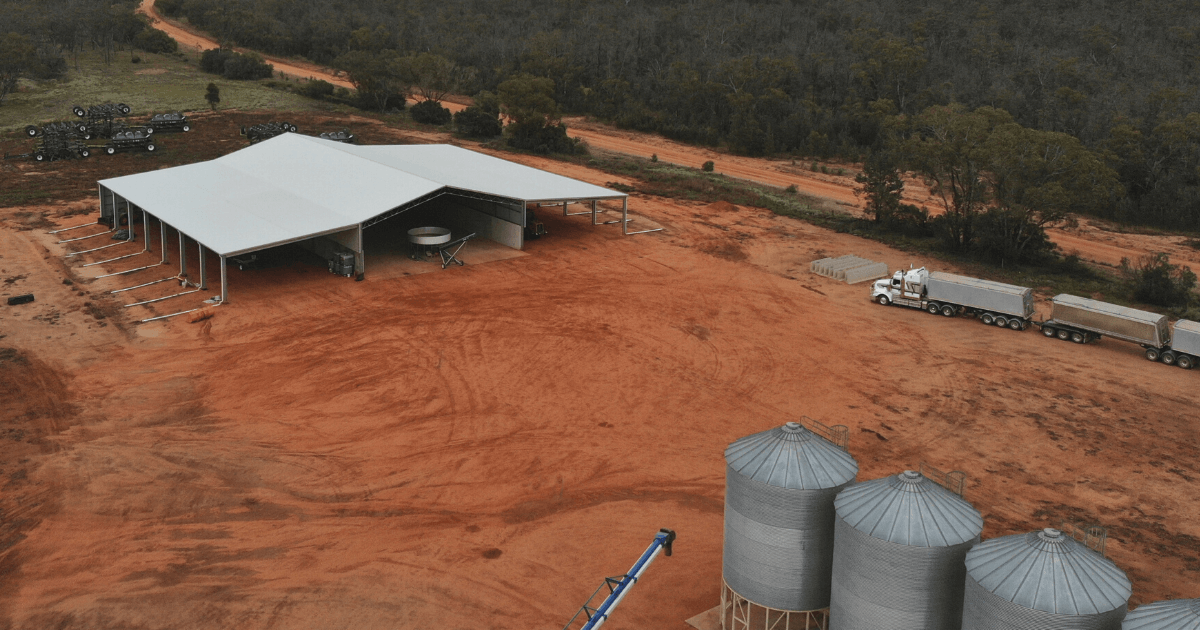
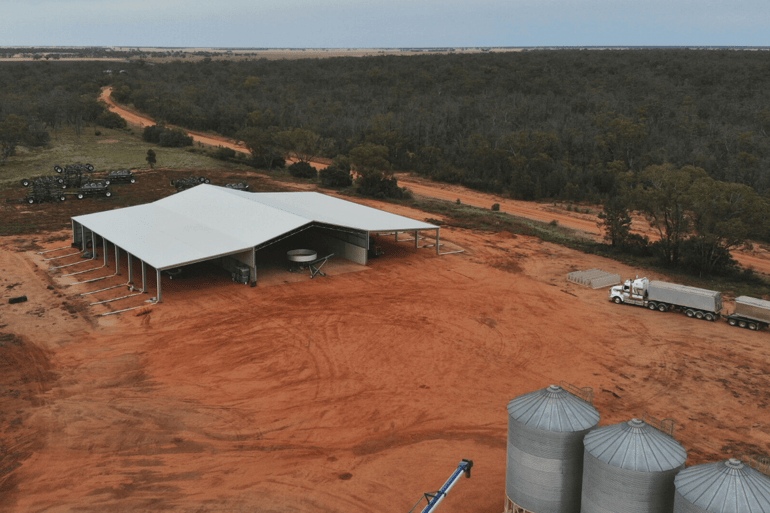
Choosing the right on-farm grain storage is a significant investment that directly impacts your operational efficiency and profitability. While both grain sheds and silos store bulk grain, they function very differently. Understanding these differences is crucial for selecting a solution that protects your harvest and meets your farm's unique needs.
This guide compares grain sheds and grain silos, covering everything from costs and capacity to loading times and versatility, to help you make an informed decision.
Shed vs Silo Summary of ContentS (TL;DR)
-
Grain Sheds: Best for fast loading/unloading, large-capacity storage, and multi-purpose use during off-seasons. They are typically more cost-effective per ton for large volumes but cannot be easily fumigated.
-
Grain Silos: Ideal for long-term, secure storage where pest control is a priority. They are easily sealed for fumigation but have slower loading times, are single-purpose, and can become expensive when multiple units are required.
-
The Best Choice Depends On: Your budget, how long you need to store grain, desired loading speed, and whether you need a versatile structure for other farm uses.
What Is the Difference Between a Grain Shed and a Grain Silo?
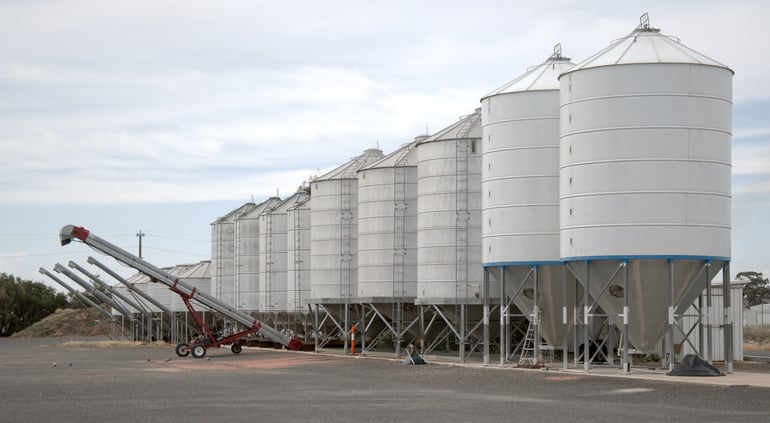
The primary difference between a grain shed and a grain silo is their structure and functionality. A grain silo is a tall, cylindrical structure designed for the long-term storage of bulk materials, offering excellent protection and the ability to be sealed for fumigation. A grain shed is a large, fully enclosed building with a concrete pad and reinforced walls, designed for bulk storage with fast, easy access for loading and unloading, and the versatility to be used for other purposes like machinery or hay storage.
The better storage solution depends entirely on your operational needs. If you require long-term storage and effective insect control, a silo may be suitable. If you prioritise speed, large-volume capacity, cost-efficiency, and multi-purpose functionality, a grain shed is often the superior choice.
Comparison: Grain Sheds vs Grain Silos at a Glance
|
Feature |
Grain Shed |
Grain Silo |
|
Cost Per Ton |
Lower for large volumes (approx. $208/ton*) |
Higher for large volumes (approx. $333/ton*) |
|
Loading Speed |
Very fast (drive-in access) |
Slow (requires an auger) |
|
Primary Use |
Grain storage, machinery, fertiliser, hay |
Single-purpose grain storage |
|
Fumigation |
Possible, but not standard |
Easy to seal and fumigate |
|
Storage Term |
Ideal for short to medium term |
Excellent for long term |
|
Safety |
Fewer height-related risks |
Risks of collapse and engulfment |
|
Lead Time |
Shorter (approx. 6-8 months^) |
Longer (can be up to 18 months^) |
What Are the Advantages and Disadvantages of Grain Silos?
A grain silo is a traditional steel structure used to store bulk grain or silage. Farmers often use multiple silos to store their harvest and maximise their return on investment.
Advantages of Grain Silos
- Effective Fumigation: Silos can be easily sealed, making them highly effective for fumigating and eliminating grain storage insects without spoiling the harvest.
- Long-Term Storage: Their sealed nature makes them an excellent solution for storing large amounts of grain for long periods, especially after a bumper season.
Disadvantages of Grain Silos
-
Slow Loading and Unloading: Grain must be moved using an auger, a time-consuming process for loading and unloading large volumes.
-
Single-Purpose Only: Unlike a multi-purpose shed, a silo can only be used for storing grain.
-
Safety Risks: Silos store massive volumes at height, creating potential safety hazards. These risks include structural collapse, engulfment within the grain, and falls from the structure. For safety tips, check SafeWork NSW.
What Are the Advantages and Disadvantages of Grain Sheds?
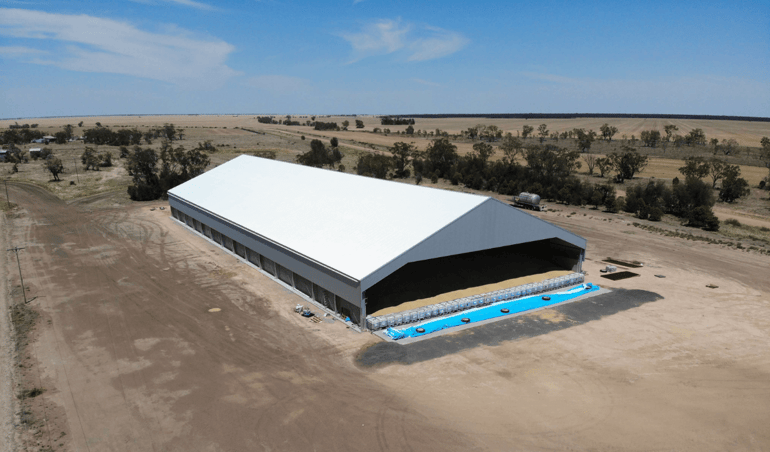
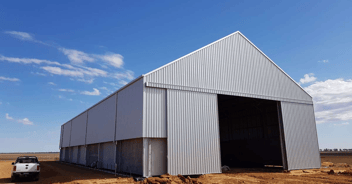
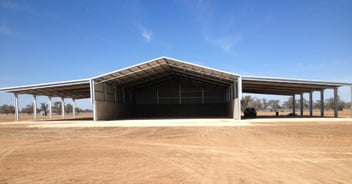
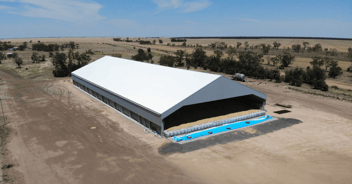
A grain shed is a purpose-built structure, often custom-designed, with a concrete pad and reinforced bunkers to protect your harvest from the elements while providing maximum accessibility.
Advantages of Grain Sheds
-
Fast Load Times: With wide openings and high clearance (often 8 metres), you can drive a semi-tipper directly into the shed for exceptionally fast loading and unloading.
-
Efficient Concrete Bunkers: Most grain sheds feature reinforced concrete bunkers that are ideal for front-end loader use and ensure grain is stored securely.
-
Quick On-Site Transport: A grain shed can be erected on your farm, eliminating travel time and costs associated with transporting grain to off-site storage facilities.
-
Multi-Purpose Versatility: During the off-season, a grain shed can be easily repurposed to store machinery, fertiliser, or hay, making it a valuable asset year-round.
Disadvantages of Grain Sheds
- Fumigation: The primary disadvantage is that a large, open-plan grain shed cannot be sealed for fumigation to control insect pests.
Cost Comparison: Are Sheds or Silos More Affordable?
While a single silo may seem cheaper upfront, grain sheds often prove to be the more cost-effective solution for large-scale storage.
-
Grain Silos: A single 300-ton silo costs roughly $100,000. To achieve a 2,400-ton capacity, you would need eight silos, bringing the total to approximately $800,000*. This equates to about $333 per ton of storage.
-
Grain Shed: A 42m x 18m x 8m grain shed can hold around 2,500 tons. The estimated cost for this structure is $520,000*. This equates to about $208 per ton of storage.
Additionally, off-site silos can incur significant transport costs, with some farmers spending up to $50,000 a year just moving their harvest. An on-site grain shed eliminates this ongoing expense.
Key Factors to Consider When Choosing Your Grain Storage
Before investing, consider these critical factors to ensure your choice aligns with your farm's goals.
Your Budget
Your budget is a primary driver. While several silos require a larger capital outlay than one large shed, it's also crucial to factor in long-term costs like transport. Some farmers can spend up to $50,000 a year just to get their harvest to their silos. A grain shed is a single, larger investment that can provide a better cost-per-ton value and eliminate transport fees.
Lead Times
Current demand can significantly impact availability. Silos may have lead times as long as 18 months. A grain shed can often be manufactured and erected much faster, with typical lead times of 6 to 8 months once an order is locked in.
Storage Duration
Consider how long you need to store your grain. For long-term storage where insect control is paramount, a silo's fumigation capabilities are a major advantage. For shorter-term storage or as a temporary holding facility before moving grain to silos at your own pace, a grain shed offers flexibility and reduces time pressure during harvest.
Find the Right Grain Storage Solution for Your Farm
If the speed, cost-efficiency, and versatility of a shed align with your operational needs, a custom-designed structure is an excellent investment. Explore our durable and functional grain sheds that are built to handle Australian conditions.
If you are interested in discussing your grain shed options and how an Standwell Sheds grain shed could meet your needs, then we encourage you to reach out to us today.
For more information on the grain sheds we manufacture, you can head to the product page below.

*All prices and lead times included in this article are estimates and should only be used as a guide. For an accurate shed quote, please request one here or contact our team for current lead times.
.svg)