


-1.svg)
.png)
Farm machinery is one of the biggest investments on any property, so it makes sense to keep it protected. Leaving a header or tractor out in the weather leads to faded paint, perished seals, cracked hoses, and the kind of rust that quietly shortens the life of gear you have paid a small fortune for.
A well-planned steel shed keeps all of that under cover and makes day-to-day work more efficient. The right shed is designed around the way you work, your machinery, and the future needs of your operation.
.png?width=950&height=499&name=2607%20Blog%20MS%20%231%20%20(1).png)
Start with size and clearances
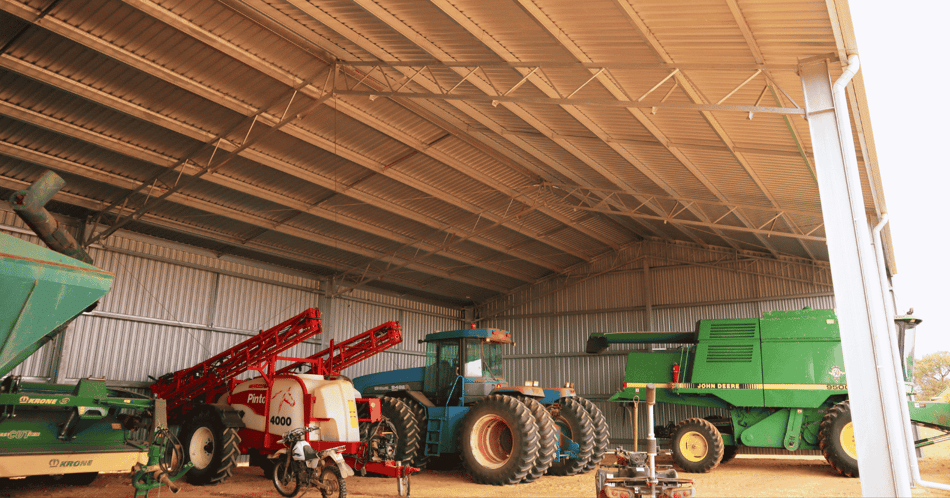
Modern equipment is bigger than it used to be. Headers need height, spray rigs need width, and most farms are storing several pieces at once.
Measure your tallest and widest machinery with attachments fitted, then add comfortable clearance on top so you are not inching past a doorframe every time you bring something in.
Adequate eave height is just as important as floor space, particularly when storing larger equipment or carrying out maintenance.
Clear spans make life easier
Internal posts are the enemy of easy machinery storage. Every column is another obstacle to steer around when you’re reversing a tractor in at the end of a long day.
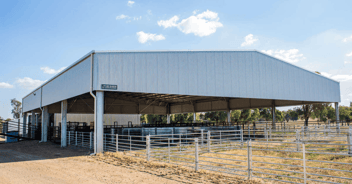
Clear span designs remove those columns completely, giving you an open floor to park, turn, and reshuffle without constantly manoeuvring around structural columns. Standwell builds sheds with clear spans of up to 60 metres, which is plenty of room for large machinery and wide implements.
An open floor also gives you flexibility later, since you can rearrange bays or change what lives where without a post getting in the way.
Planning the right layout for your machinery is far easier with expert input. Take a look at our custom machinery sheds to see how a clear span design could work on your property.

Think carefully about access
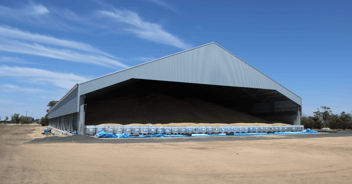
How you get machinery in and out shapes the whole build. Two- and three-sided sheds suit farms that are constantly moving gear, allowing machinery to move in and out with minimal obstruction.
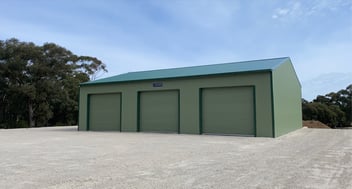
If security or weather protection is the priority, a fully enclosed steel shed with sliding or roller doors and lockable access keeps everything sealed overnight. Be generous with door widths, because a doorway that fits today's tractor might be too tight for the wider machine you buy in three years.
Consider the traffic flow as well: where machinery enters, where it turns, where it parks, and how it leaves without you shuffling three other machines first.
Plan for future growth
Farms grow, and machinery fleets grow with them. Building slightly larger than you need today is almost always cheaper than adding on later. Extra bays, a taller eave, or a covered lean-to area gives you room to expand without compromising site access or compliance down the track.
It is also worth thinking about dual purpose. Plenty of farmers design a machinery shed that can double as hay or grain storage in the off-season, which allows the building to serve multiple purposes throughout the year.
Plan the layout around how you work
A machinery shed works best when it's organised around the way you use your equipment. If every machine has a logical place, you'll spend less time moving equipment around and more time getting on with the job.
When planning the layout, think about:
- Parking your most-used machinery where it's quickest to access
- Leaving enough clearance to drive in, turn, and hook up implements safely
- Keeping workshop areas away from the main machinery traffic where practical
- Allowing room for future equipment or additional storage as your operation grows.
The best shed layout is one that supports your daily workflow. When you're busy during harvest or seeding, easy access and clear movement paths make a much bigger difference than squeezing in another piece of equipment.
Build it to last
For an agricultural building that stands up to decades of hard use, materials matter. Standwell uses hot-dip galvanised structural steel frames that are fully submerged in molten zinc for maximum corrosion protection, providing long-term corrosion protection in harsh Australian conditions.
Every structure is engineered for your site's wind ratings and terrain category, so it meets and exceeds Australian building standards. Council approval is often required for larger agricultural buildings, particularly near boundaries, so factor that in early. A supplier who handles the engineering and can guide you through approvals will save you plenty of headaches.
Design a shed that suits your farm
Choosing the right shed comes down to matching size, access, and layout to the way you farm, then building it tough enough to go the distance. Taking the time to plan the right size, layout and access now will help ensure your machinery shed continues to meet your needs for years to come.
The easiest way to picture your ideas is to map them out yourself. Design your ideal machinery shed with our free shed builder and get a feel for the size, layout, and features that suit your farm.
.svg)