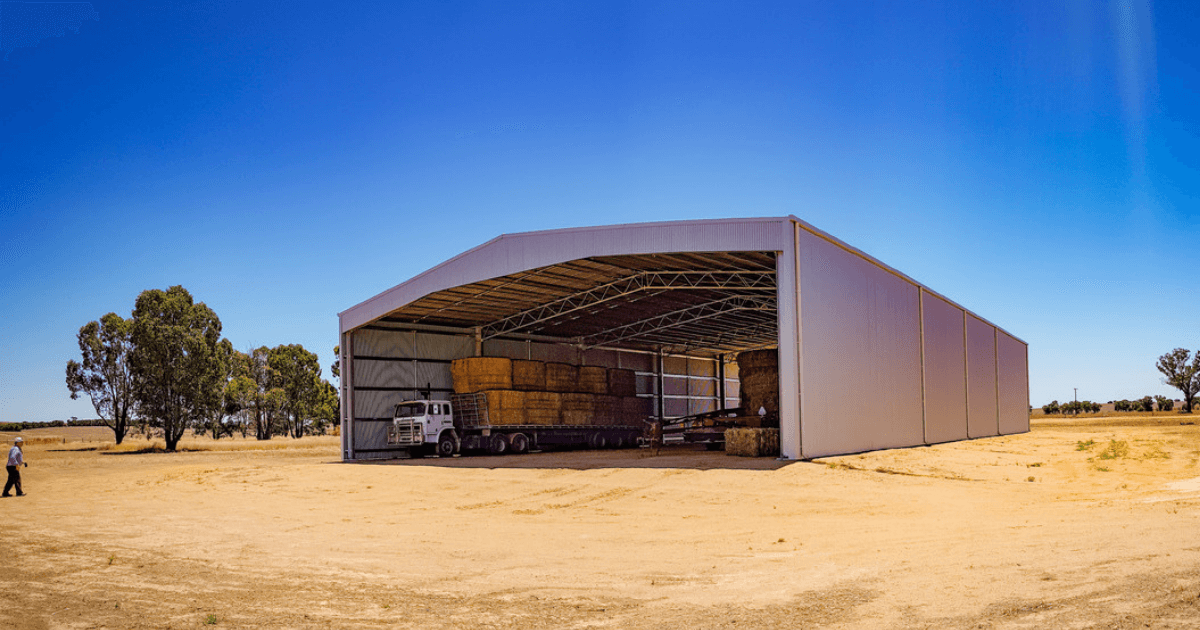
While you may have an idea of what your future farm shed or industrial building will look like, have you considered the orientation of the shed? Shed orientation is something that can be easily overlooked and in fact, is often a missed opportunity to make the most of your surroundings and seasonal weather conditions. If considered at the design stage, the orientation of your shed has the potential to provide many benefits!
In this article we’ll take a look at shed orientation basics including what directions you should position your shed in, to make the most of natural light and heating sources.
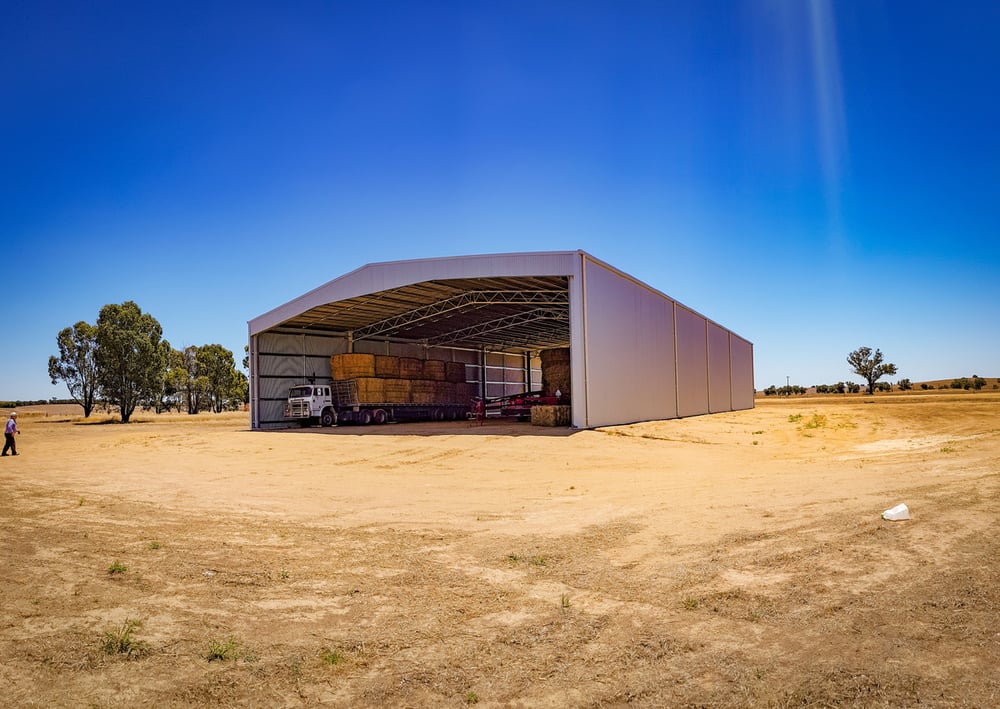
Key takeaways: Choosing the right shed orientation
- Shed orientation refers to how a building is positioned in relation to the sun's seasonal path and prevailing wind patterns.
- North-facing sheds receive more direct sunlight, which can help keep the area in front of the shed drier.
- South-facing sheds receive less direct sunlight, which may suit machinery storage but can contribute to dampness and colder conditions.
- West-facing sheds may have greater exposure to harsh weather, making wall enclosure an important consideration.
- East-facing sheds receive morning sunlight while limiting direct sunlight for the rest of the day.
- Solar panel placement, surrounding trees, site conditions and roof colour can also influence shed orientation.
- The best orientation depends on your location, climate, property and how you intend to use the shed.
Building orientation explained
As detailed by YourHome, orientation is the positioning of a building in relation to seasonal variations in the sun’s path, as well as prevailing wind patterns. Good orientation has the potential to increase the energy efficiency of a building, making it more comfortable to reside and work in, while being cheaper to run.
A shed that’s built to make the most of the site that it’s on and the surroundings will follow a good orientation. You will want to consider a site for your shed or building with an orientation suited to the climatic and regional conditions of your location and to maximise the site’s potential for passive heating or cooling.
Passive heating and cooling involves utilising the sun as a source of free heating by letting winter sun in and keeping unwanted summer sun out — this is desirable throughout most areas in Australia due to increasingly long, and very hot summers. Passive heating can be achieved on northern elevations or by using horizontal shading devices to block high-angle summer sun and let in low angle winter sun.
Which way should you position a shed?
While the orientation of your shed will ultimately come down to your location, there are some simple shed orientation guidelines that can help make the decision easier. In New South Wales the weather can be especially varied, depending on your proximity to the coast. Inland areas can get quite cold while humidity is a key feature the closer you get to the coast. You may need to factor in your local temperature variations when considering your shed orientation if your internal shed temperatures are important.
Northerly orientation
Positioning a shed so that the opening faces north will prove beneficial if you want to make the most of natural sunlight. Sheds that face north will have a lot of direct sunlight, due to the path that the sun follows during the day. This can also help to ensure that any areas in front of the shed remain the driest.
A lot of direct sunlight can negatively impact electrical items though so if you will be storing farm machinery in your shed, this will need to be factored in. Another thing to consider with sheds that face north is the impact that severe weather and storms could bring. Storms can come from the north, meaning your shed (and its contents) could be in the path of strong wind and rain.
Southerly orientation
Positioning a shed so that it faces south will mean that your shed gets very little sunlight. This could be beneficial if you store mostly machinery items inside, as they won’t be affected by sun damage. Any building that gets little sun though is prone to dampness and cold and could produce a lot of bog around the shed during winter if there is a lot of wet weather. It’s also important to note that wind often comes from the south, so if your shed isn’t enclosed, it will be harder to keep clean and tidy.
Westerly orientation
Generally in Australia, all weather comes from the west. Having a shed that is positioned open to the west will provide your shed and its contents with little protection from harsh weather conditions. If you do choose this orientation, it’s likely that your shed would need to be fully enclosed to prevent potential damages to produce like grain and hay. Having four fully enclosed shed walls will likely end up costing more.
Easterly orientation
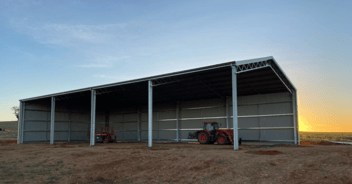
The most common shed orientation suited to the majority of locations here in Australia is east. Little weather comes from the east which leaves an open shed and its contents more protected from the elements.
A shed that is east-facing is also positioned to make the best use of passive heating and cooling as the shed will get morning sun on the front of the shed, but for the rest of the day, your goods and any machinery will be protected from harsh direct sunlight.
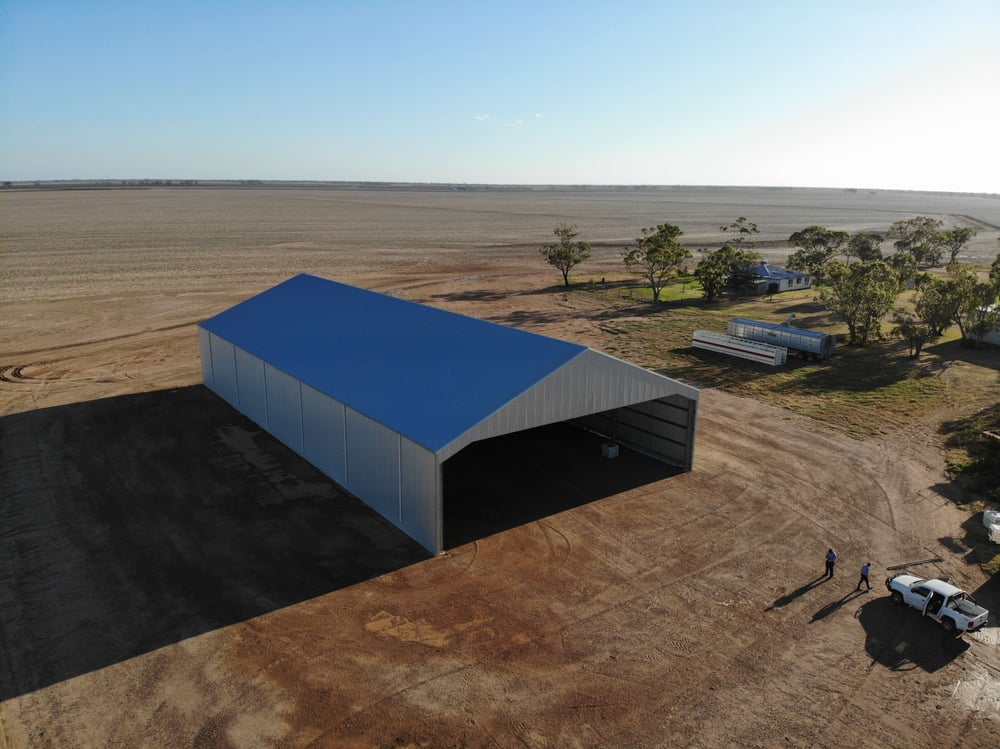
A shed that's well orientated will make the most of its surroundings and will utilise passive heating and cooling.
SHED ORIENTATION AT A GLANCE
| Orientation | Main benefits | Considerations |
|---|---|---|
| North-facing | Receives plenty of direct sunlight and can help keep the area in front of the shed drier | Direct sunlight may affect stored electrical items and machinery. Consider exposure to storms and strong winds |
| South-facing | Receives less direct sunlight, which may benefit machinery storage | Can be colder and more prone to dampness, particularly during wet weather |
| West-facing | Can be considered depending on the property's conditions and intended use | Greater exposure to harsh weather may mean additional enclosure is needed |
| East-facing | Receives morning sunlight while limiting direct sunlight for the rest of the day | Suitability still depends on local weather conditions and the shed's intended use |
There is no single orientation that suits every property. Consider your local climate, prevailing weather, site conditions and what you'll be storing inside before making a decision.
Other factors that influence shed orientation
There are some other factors that may influence the orientation of your shed, and some of your design choices (like the colour).
Solar power
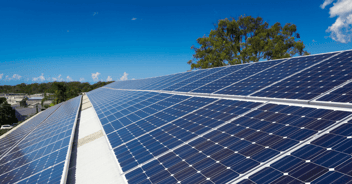
If you’re wanting to utilise solar panels on the roof of your shed to harness solar energy, then it’s important that your shed is positioned so that your roof (and the panels) get a lot of sunlight. It’s recommended that your solar panels be placed on either the north or the west of the shed’s roof, to harness the most solar energy.
Location of the shed
Another factor that could influence the orientation of your shed, is where the shed will be located on your property. Will it be surrounded by trees and bushland? If so, how will this affect your shed's ability to capture natural sunlight? Will some of the tress need to be removed? Or, could your shed be located on the top of a hill? If so, how will potential gusts of wind affect your shed? Have you considered whether your shed will need to be fully enclosed to protect it's contents?
Making sure that your shed is in the right location is essential as this could have a big impact on the orientation of the shed. If the shed is built in a location that's prone to harsh weather conditions or could impact your ability to take advantage of passive heating and cooling, then you may want to reconsider where you locate it on your property. Are there any locations that could be more suitable?
Colour choices
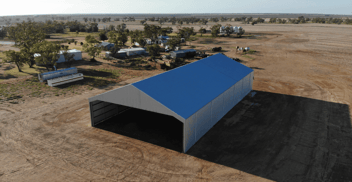
Sheds can now be customised right down to the colours so this is another important consideration, particularly if your shed will get a lot of sun. During the height of summer here in Australia, the temperature of a light coloured roof will be a lot cooler than a dark roof. Darker roofs will collect the heat and this temperature will naturally make its way inside the shed which could end up being unenjoyable if you’re working inside a lot.
Most steel sheds in Australia use Colorbond colours. Colorbond colours have been designed for the harsh Australian climate and there are specific colours in the Colorbond range that are recommended for roofs as they reflect the light (and therefore result in cooler temperatures).
Shed orientation planning checklist
Before finalising your shed's position, work through these considerations:
- Intended use: What will you store or do inside the shed? Will it house machinery, hay, grain or other goods?
- Sunlight: How much direct sunlight do you want entering the shed throughout the day?
- Prevailing weather: Which direction do strong winds, rain and storms typically come from in your area?
- Natural heating and cooling: Could the shed's orientation help make better use of seasonal sunlight?
- Solar panels: Will you be installing solar panels? Consider how the roof's position will affect sunlight exposure.
- Surrounding landscape: Could trees, bushland or nearby structures affect sunlight or wind exposure?
- Site conditions: Is the proposed location exposed to strong gusts or other challenging weather conditions?
- Wall enclosure: Will the shed need additional walls to protect its contents?
- Roof colour: Could a lighter or darker roof influence internal temperatures?
- Future requirements: Does the proposed location and orientation suit how you expect to use the building over time?
Consider these factors together rather than choosing an orientation based on direction alone.
Plan your shed's position before you build
Choosing the right shed orientation is an important part of the design process. The position of your building can influence sunlight, internal temperatures, weather exposure and how effectively you use your property.
At Standwell, we can help you consider your site conditions, shed requirements and design options to plan a building that works for your needs. You can contact our friendly team to talk about your shed plans here.
Already know where your new shed will be going, but need a little help with the design? Our free shed builder can be used to design your perfect shed before you buy! Try it out here.