


-1.svg)
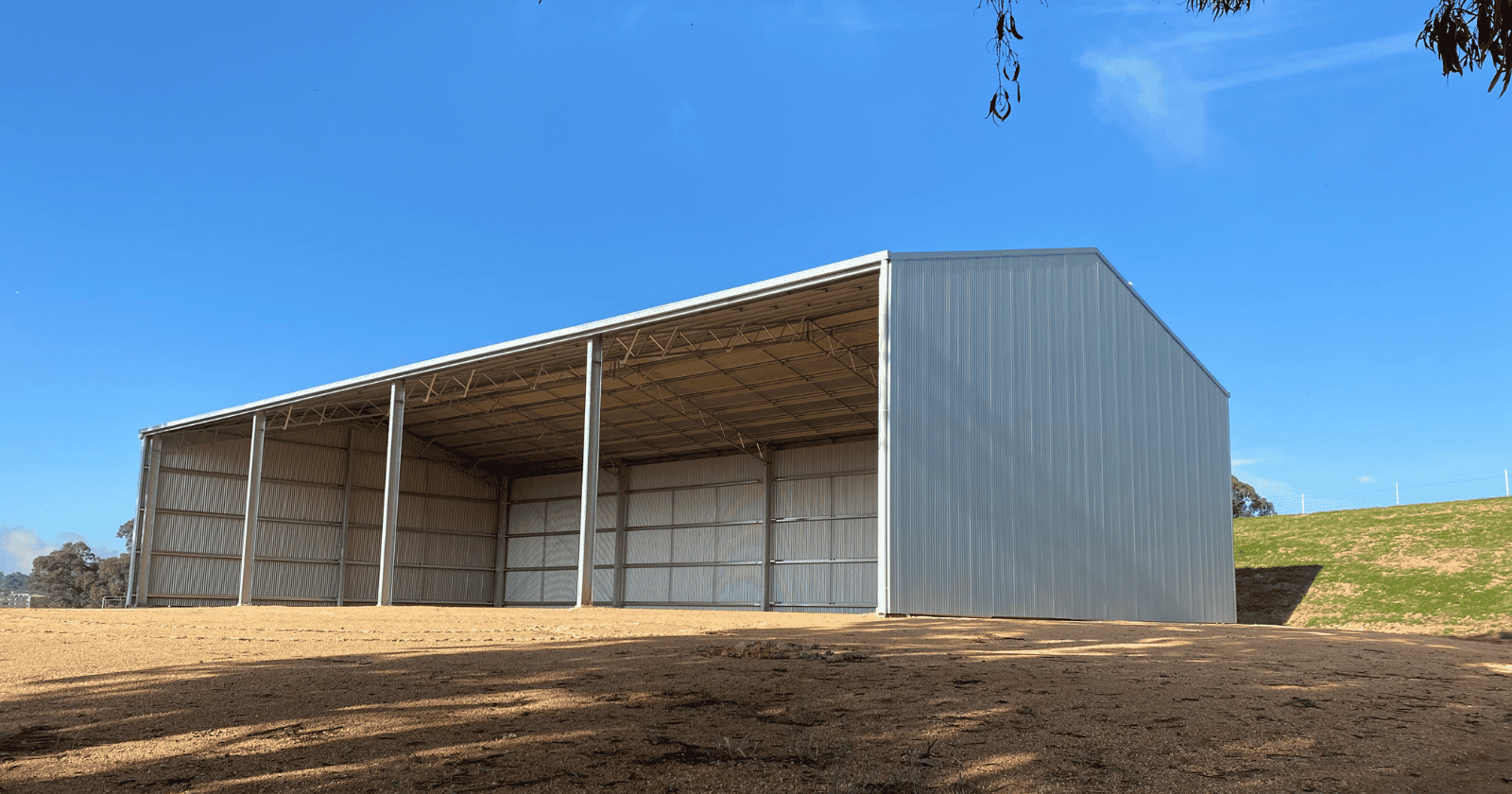
A shed is a big investment, and the supplier you choose shapes the outcome just as much as the design does. Two sheds can look almost identical on paper and then perform completely differently ten years on, depending on who built them and what went into them.
The tricky part is that every supplier's website promises quality, durability and value, which makes working out the best shed suppliers in Australia harder than it should be. The real differences tend to hide in the details: the steel, the engineering, the accreditation, and what happens once your shed is standing.
In this article, we outline ten things worth checking before you sign anything.
Summary: what to look for when choosing a shed supplier?
The best shed supplier isn't necessarily the cheapest. When choosing a shed supplier in Australia, look for site-specific engineering, compliant Australian steel, ShedSafe accreditation, suitable span capabilities, customisation, relevant project experience, meaningful warranties, after-sales support, a verifiable track record and transparent pricing.
Download our Buyer’s Guide, and learn all the important details to check before committing to a shed supplier.

1. Is the shed made from genuine Australian steel?
Ask where the steel comes from, what specification it meets and whether its quality can be traced back to the manufacturer.
Structural steel is the bones of your shed, so it's worth knowing exactly what you're getting. Suppliers using Australian-made steel can point to material produced to local standards and traceable back to the mill. Cheaper imported steel or lighter cold-formed steel might trim the price, but it often trims the lifespan too.
What should you ask the supplier?
- What grade and thickness of structural steel will be used?
- What coating or corrosion protection does it have?
- Which Australian Standards does the steel comply with?
- Can you provide documentation confirming the material specification?
- Is the steel Australian-made?
2. Does the shed supplier provide site-specific engineering?
Site-specific engineering is important because your shed's structural requirements depend on its location, wind conditions, terrain and intended use. A shed engineered for a quiet paddock in Victoria won't necessarily hold up in cyclone-prone North Queensland.
Good suppliers engineer each build to your specific wind region, terrain category and load requirements rather than handing you a generic plan. Ask whether the engineering is site-specific and properly certified.
What should you ask?
- Is the engineering specific to my site?
- What wind region applies to my property?
- What terrain category has been used?
- Is engineering included in the quoted price?
- What documentation will I receive for council or building approval?
3. Is the shed supplier ShedSafe accredited?
ShedSafe is an accreditation backed by the Australian Steel Institute that confirms a supplier's sheds are designed to the National Construction Code and the relevant Australian Standards. It's independent proof the maths has been checked by someone other than the salesperson. If a supplier holds it, that carries real weight.
However, don't stop at the logo. Ask the supplier what its accreditation covers and verify the accreditation independently.
What should you ask?
- Is the supplier currently ShedSafe accredited?
- What does the accreditation cover?
- Can I verify the supplier's accreditation?
- Does the accreditation apply to the type of building I'm buying?
- What other engineering and certification documentation will I receive?
4. How much clear span can the shed supplier provide?
Clear span tells you how much usable space you can have inside the shed without internal columns getting in the way.
This can be particularly important if you're storing large machinery, moving vehicles through the building or planning the internal layout around equipment. A supplier may be able to provide a particular shed size, but that doesn't necessarily mean the entire space will be column-free.
Standwell's 84m x 36m grain shed at Beefwood Farms in Moree, NSW, is a useful example of the scale of agricultural buildings that require careful consideration of structural spans and internal layout. The shed was designed with 14 bays at 6m each to accommodate increasing grain storage requirements, while its three-sided configuration provided the access needed for trucks.
What should you ask the supplier?
- What is the maximum clear span available for my building?
- Will there be internal columns?
- How will the span affect the structural design and cost?
- What internal clearance will I have around machinery and vehicles?
- Can you show me examples of similar-span buildings you've completed?
5. Can the shed be customised for your site and how you use it?
A good shed design should reflect how you'll actually use the building, not force your project into a standard size.
The right dimensions, bay spacing, roof configuration, door openings and cladding can depend on your site and what you need to do inside the building. A machinery shed, hay shed and workshop may all have very different requirements even if their overall footprints are similar.
Questions to ask include:
- Can the building dimensions be changed?
- Can bay spacing be adjusted?
- What door sizes and configurations are available?
- Can the roof pitch be changed?
- Can cladding options be changed for the environment or application?
- Can the design accommodate future extensions?
6. Has the supplier built your type of shed before?
Look for a supplier with demonstrated experience building the type of structure you actually need.
A large machinery shed and an industrial steel building can involve very different design, engineering and construction considerations. If your project has unusual requirements, previous experience with similar buildings can help the supplier identify potential issues before construction begins.
Ask to see completed projects that are genuinely comparable to yours.
For example, ask:
- Have you built sheds of this size before?
- Have you built this type of agricultural or industrial building?
- Can I see examples of similar projects?
- Can I speak to previous customers?
- What challenges did you encounter on comparable projects?
Standwell's experience spans farm sheds, machinery storage, hay and grain storage, large-span steel buildings, industrial sheds and other agricultural applications.
But don't just take the supplier's word for it. Ask to see the evidence.

.png?width=1600&height=840&name=Standwell%20-%20Blog%20images%20(2).png)
7. What does the shed supplier's warranty actually cover?
Don't compare warranties by the number of years alone. Compare what the warranty covers, what it excludes and who is responsible if something goes wrong.
A long warranty can sound impressive, but the details matter. Before signing a contract, ask whether the warranty covers the structural steel, workmanship, coatings or other components, and check the conditions attached to the guarantee.
Ask:
- How long does the structural warranty last?
- What exactly does it cover?
- What is excluded?
- Does it cover materials, workmanship or both?
- What maintenance requirements apply?
- Who do I contact if I need to make a claim?
Every Standwell structure is backed by a 25-year “You’re Covered” guarantee, covering structural integrity, key components, installation, materials and workmanship.
8. Does the shed supplier offer after-sales support?
A supplier's responsibility shouldn't feel like it ends when the shed is delivered. Ask what support you'll receive after construction and what happens if your needs change.
This matters particularly for agricultural and commercial buildings, where the way you use a property can change over time. You may eventually need an extension, additional doors, modifications or help understanding an issue with the building.
Ask the supplier:
- Who do I contact after completion?
- Can the building be extended later?
- Can additional doors or modifications be added?
- Do you have an ongoing service or support process?
Standwell’s customer testimonials can show exactly the kind of service you’ll receive after the shed is built. Watch these here.
9. Can you verify the supplier’s track record?
Look beyond testimonials and marketing claims and check whether you can independently verify the supplier's experience.
Start by looking for completed projects, customer references, Google reviews, project photography and evidence that the company has been operating in the market for a meaningful period. A supplier should be comfortable showing you examples of work similar to your own project.
Before choosing a supplier, ask:
- How long have you been supplying sheds?
- Can I see completed projects?
- Do you have projects similar to mine?
- Can I verify your credentials and accreditations?
- Who will actually manage my project?
10. What should be included in a shed supplier's quote?
A good shed quote should make it clear what you're paying for and what isn't included.
The cheapest headline price isn't necessarily the cheapest completed building. Two suppliers can quote for apparently similar sheds while making very different assumptions about engineering, doors, cladding, delivery, installation, site works and other components. This article outlines some of the hidden traps within shed quotes.
Before comparing prices, make sure you're comparing like for like. Check whether the quote clearly identifies:
- Shed dimensions and specifications
- Steel specifications
- Engineering and certification
- Doors and openings
- Cladding
- Delivery
- Installation
- Site preparation
- Council/building approval requirements
- Any exclusions or optional extras
For more information, download our guide on how to compare shed quotes.
-3.png?width=1600&height=840&name=Standwell%20-%20Blog%20images%20(1)-3.png)
Choosing the right shed supplier
The right supplier should be able to demonstrate the quality of its materials, provide site-specific engineering, meet relevant standards, offer a meaningful warranty and show experience with projects like yours.
Before you commit, compare suppliers on all ten factors, not just the headline price. Ask questions about the steel, engineering, accreditation, clear span, customisation, relevant project experience, warranty, after-sales support, track record and exactly what is included in your quote.
The best way to compare suppliers is to ask them to show you the evidence behind their claims. Look at completed projects, check relevant accreditations, read the warranty terms and make sure you understand what you're actually getting for the quoted price.
Standwell has experience delivering a range of agricultural and industrial steel buildings across Australia. Explore the full range of Standwell sheds or download our complete building solutions brochure to see examples of the building solutions available and start considering what could work for your project.
.jpg?width=352&name=abc_sheds_horses_in_paddock_with_shed%20(1).jpg)
.jpg?width=352&name=Blog%201%20image%20%20(1).jpg)
.svg)